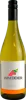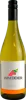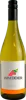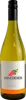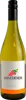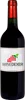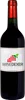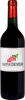
Winery Strablegg LeitnerJunger
 White wine
This wine generally goes well with

Details and technical informations about Winery Strablegg Leitner's Junger.
Discover the grape variety: Muscat de Hambourg
Aromatic sweet to luscious reds with a garnet ruby colour, an enveloping palate with moderate acidity, and intense muscat signature aromas (rose, fresh grape), candied red fruits and honey. Also a highly prized table grape for its appearance and muscat flavour. Grown in the Mediterranean, Central Asia and California, producing original sweet wines. Aromatic black grape obtained in 1837 in England (Muscat of Alexandria × Schiava grossa).
Informations about the Winery Strablegg Leitner
The Winery Strablegg Leitner is one of of the world's greatest estates. It offers 16 wines for sale in the of Steiermark to come and discover on site or to buy online.

The wine region of Steiermark
Austrian reference for lively, aromatic whites (75% of output). Star Sauvignon Blanc (qualitative banner of southern Styria): precise and taut with signature notes of gooseberry, grapefruit, nettle, cut grass and white pepper, an incisive finish. Fresh, lemony Welschriesling (the most planted), ample Morillon (Chardonnay), floral, muscat Muskateller. Spicy Schilcher rosé in West-Steiermark.
The wine region of Steirerland
Austrian Styria, the country's southernmost region around Graz down to the Slovenian border, vineyards on steep slopes up to 700 m, temperate southern climate. Signature Sauvignon Blanc as white king: lively and precise with notes of grapefruit, passion fruit, boxwood, elderflower and a mineral touch — mountain benchmark. Tense Welschriesling (green apple, citrus), ample Morillon (Chardonnay), floral Muskateller. Rustic Schilcher rosé from Blauer Wildbacher.
The word of the wine: Oenologist
Specialist in wine-making techniques. It is a profession and not a passion: one can be an oenophile without being an oenologist (and the opposite too!). Formerly attached to the Faculty of Pharmacy, oenology studies have become independent and have their own university course. Learning to make wine requires a good chemical background but also, increasingly, a good knowledge of the plant. Some oenologists work in laboratories (analysis). Others, the consulting oenologists, work directly in the properties.