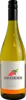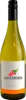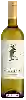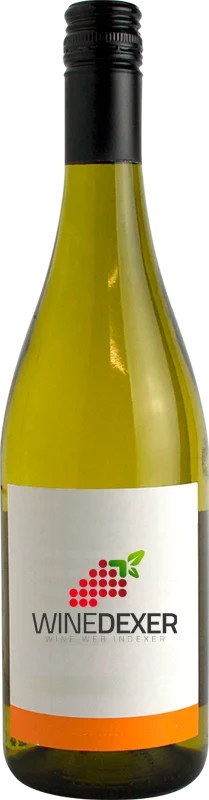
Château de StonyFleur de Muscat
 White wine



In the mouth this white wine is a .
This wine generally goes well with vegetarian, poultry or lean fish.
Taste structure of the Fleur de Muscat from the Château de Stony
Light | Bold | |
Dry | Sweet | |
Soft | Acidic |
In the mouth the Fleur de Muscat of Château de Stony in the region of Pays d'Oc is a .
Food and wine pairings with Fleur de Muscat
Pairings that work perfectly with Fleur de Muscat



Original food and wine pairings with Fleur de Muscat


The Fleur de Muscat of Château de Stony matches generally quite well with dishes of pasta, vegetarian or poultry such as recipes of pasta cake, quiche with bacon and gruyère cheese or leek and fresh salmon tart.
Details and technical informations about Château de Stony's Fleur de Muscat.
Discover the grape variety: Nebbiolo
A very old grape variety grown in the Italian Piedmont. It has a great resemblance with the Freisa, which also comes from the same Italian region. Among the various massal selections made in Italy, we find lampia, michet and rosé. It can be found in Italy, Austria, Bulgaria, Cyprus, Greece, Mexico, the United States (California), Australia, etc. In France, it is practically unknown, perhaps because it is a delicate and demanding grape variety with, among other things, a fairly long phenological cycle.
Informations about the Château de Stony
The Château de Stony is one of of the world's great estates. It offers 15 wines for sale in the of Pays d'Oc to come and discover on site or to buy online.

The wine region of Pays d'Oc
Pays d'Oc is the PGI for red, white and rosé wines that are produced over a wide area of the southern coast of France. The PGI catchment area corresponds roughly to the Languedoc-roussillon">Languedoc-Roussillon wine region, one of the largest wine regions in France. The area covers all wines that are not produced under the strict laws that govern AOC-level appellations in the regions: among them, Corbières, Minervois and the Languedoc appellation itself. The Pays d'Oc PGI is arguably the most important in France, producing the majority of the country's PGI wines.
The word of the wine: Rough
Wine without finesse with rough tannins.