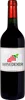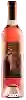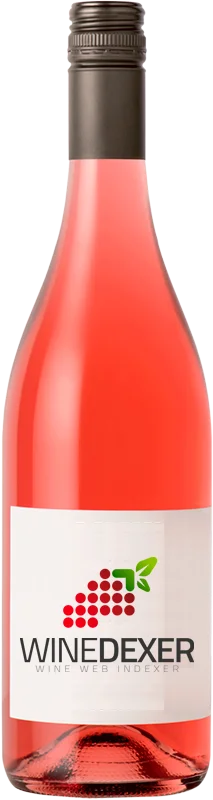
Winery Stony HillRosenda de la Sombra Rosé
 Pink wine


This wine generally goes well with

Wine flavors and olphactive analysis

On the nose the Rosenda de la Sombra Rosé of Winery Stony Hill in the region of California often reveals types of flavors of earth, citrus fruit or red fruit.
Details and technical informations about Winery Stony Hill's Rosenda de la Sombra Rosé.
Discover the grape variety: Jurançon
Light, fruity reds with a pale ruby colour, soft tannins, and an airy palate with moderate acidity, offering red-fruit aromas and herbaceous notes. Productive. Today marginal, surviving in a few heritage parcels in Béarn and Bigorre. Not to be confused with the Jurançon AOC (white wines). A synonym of Jurançon noir, a French black variety native to the South-West.
Last vintages of this wine
The best vintages of Rosenda de la Sombra Rosé from Winery Stony Hill are 0
Informations about the Winery Stony Hill
The Winery Stony Hill is one of of the world's greatest estates. It offers 11 wines for sale in the of Napa Valley to come and discover on site or to buy online.

The wine region of Napa Valley
Absolute reference for American Cabernet Sauvignon: powerful, opulent reds with ripe aromas of blackcurrant, blackberry, chocolate and cedar, velvety tannins and a silky finish, long ageing. Also round Merlot, rich buttery Chardonnay, fruity Sauvignon Blanc, spicy Zinfandel. Narrow Californian valley between the Mayacamas and Vaca Mountains, tempered by San Pablo Bay fog, 17 sub-AVAs (Oakville, Rutherford, Stags Leap, Howell Mountain). Cradle of icons Opus One, Screaming Eagle, Caymus.
The wine region of California
Powerful, sunny reds: dense Napa Cabernet Sauvignon (blackcurrant, chocolate, tobacco, ample tannins), spicy, jammy Zinfandel from the Sierra Foothills, silky red-fruited Pinot Noir on the cool coast (Sonoma, Russian River, Central Coast). Opulent, buttery Chardonnay, notes of yellow fruit and vanilla. Varied climate, from the hot interior to the Pacific-cooled coast. 80% of US production, 139 AVAs including Napa (1st AVA, 1981).
The word of the wine: Garrigue
Notes reminiscent of aromatic Mediterranean herbs such as thyme or rosemary, found in many southern wines.