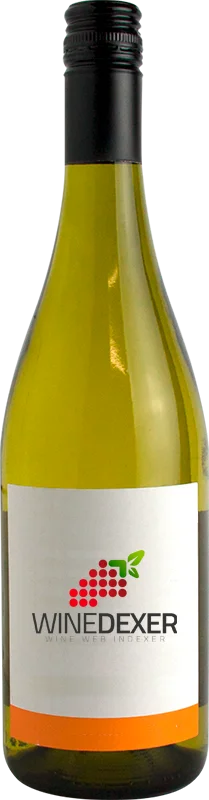
Winery Stephan SteinmetzGrauburgunder
 White wine



In the mouth this white wine is a .
This wine generally goes well with pork, cured meat or mushrooms.

Taste structure of the Grauburgunder from the Winery Stephan Steinmetz
Light | Bold | |
Dry | Sweet | |
Soft | Acidic |
In the mouth the Grauburgunder of Winery Stephan Steinmetz in the region of Mosel is a .




Food and wine pairings with Grauburgunder
Pairings that work perfectly with Grauburgunder


Original food and wine pairings with Grauburgunder

The Grauburgunder of Winery Stephan Steinmetz matches generally quite well with dishes of pork, spicy food or mushrooms such as recipes of pork roulades with cream and mushrooms, panga curry or pork roll with tomato sauce.
Details and technical informations about Winery Stephan Steinmetz's Grauburgunder.
Discover the grape variety: Mtsvane Kakhuri
Structured, aromatic dry whites with a pale golden robe, a broad palate and preserved acidity, with signature aromas of citrus (lemon), white flowers, white-fleshed fruits (peach) and Caucasian mineral notes. Also made as tannic orange wines in qvevri (buried jars) with dried fruit and spice notes. Grown in Kakheti (eastern Georgia), it embodies Georgian viticultural identity and the qvevri heritage. Native Georgian white grape.
Last vintages of this wine
The best vintages of Grauburgunder from Winery Stephan Steinmetz are 0
Informations about the Winery Stephan Steinmetz
The Winery Stephan Steinmetz is one of of the world's greatest estates. It offers 10 wines for sale in the of Mosel to come and discover on site or to buy online.

The wine region of Mosel
Kingdom of lively, crystalline Riesling: citrus, green apple, gunflint, tangy tension and signature slate minerality. From light, fruity Kabinett to off-dry Spätlese, up to sweet Auslese and Trockenbeerenauslese of rare finesse. Some supple Müller-Thurgau and lively Elbling. Steeply sloped vineyards (up to 65% at the Bremmer Calmont) on blue and grey slate, 5,400 ha of Riesling (61.
The word of the wine: Alcoholic fermentation
Transformation of sugars into alcohol under the effect of yeast. These yeasts exist in their natural state in the vineyards and in the cellars. Artificial seeding with selected yeasts is however very often practiced.


