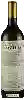
Winery SteindorferGelber Muskateller
 White wine



This wine generally goes well with
Details and technical informations about Winery Steindorfer's Gelber Muskateller.
Discover the grape variety: Rubilande
Rubilande rosé is a grape variety that originated in . This grape variety is the result of a cross between the same species (interspecific hybridization). It produces a variety of grape specially used for wine making. It is rare to find this grape to eat on our tables. Rubilande rosé can be found in the following vineyards: Rhône Valley, Loire Valley, Savoie & Bugey, Beaujolais, Languedoc & Roussillon.
Last vintages of this wine
The best vintages of Gelber Muskateller from Winery Steindorfer are 0
Informations about the Winery Steindorfer
The Winery Steindorfer is one of of the world's greatest estates. It offers 23 wines for sale in the of Neusiedlersee to come and discover on site or to buy online.

The wine region of Neusiedlersee
The wine region of Neusiedlersee is located in the region of Burgenland of Weinland of Austria. We currently count 178 estates and châteaux in the of Neusiedlersee, producing 637 different wines in conventional, organic and biodynamic agriculture. The wines of Neusiedlersee go well with generally quite well with dishes .
The wine region of Weinland
Weinviertel DAC – whose name translates as "wine quarter" – is an appellation in Niederösterreich (Lower Austria). It is by far the largest Districtus Austriae Controllatus wine region in Austria. It was also the first Austrian wine region to be given that title, in 2002, with a DAC Reserve designation added in 2009. The designation applies only to white wines from the Grüner Veltliner Grape variety.
The word of the wine: Dryer
Term that characterizes a hard and tannic wine.