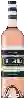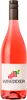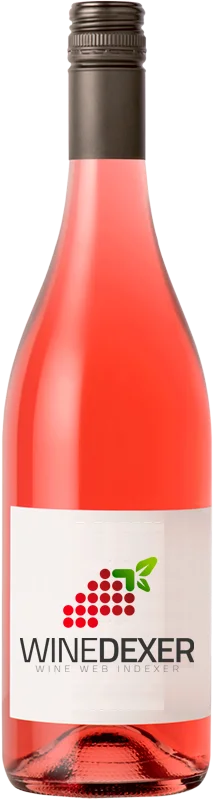
Winery Stefano de PieriRosé
 Pink wine
This wine generally goes well with pork, poultry or beef.

Food and wine pairings with Rosé
Pairings that work perfectly with Rosé



Original food and wine pairings with Rosé



The Rosé of Winery Stefano de Pieri matches generally quite well with dishes of beef, veal or pork such as recipes of pastasciutta (corsica), wiener schnitzel or viennese schnitzel or very simple spaghetti carbonara.
Details and technical informations about Winery Stefano de Pieri's Rosé.
Discover the grape variety: Sangiovese
Firm, upright reds with precise acidity and angular tannins, showing aromas of sour cherry, plum, dried herbs, leather, black tea and balsamic notes. Characteristically bitter, savoury finish. Star of Chianti Classico DOCG, Brunello di Montalcino DOCG, Vino Nobile di Montepulciano DOCG and Morellino di Scansano. Italy's most planted variety, a descendant of Ciliegiolo × Calabrese di Montenuovo.
Informations about the Winery Stefano de Pieri
The Winery Stefano de Pieri is one of of the world's great estates. It offers 26 wines for sale in the of Murray Darling to come and discover on site or to buy online.

The wine region of Murray Darling
Vast GI straddling Victoria and NSW along the Murray (Australia's 3rd in volume): Shiraz signature red king — deep hue with signature notes of ripe berries, sweet spices and smoky hint, supple tannins and gourmand, accessible fruit-forward profile. Chardonnay signature white king — fresh and fruity (peach, melon, tropical) or rich and creamy oaked. Cabernet in complement. GI 25,578 km², sandy-loam alluvial soils, hot low-humidity irrigated climate.
The wine region of Nouvelle-Galles du Sud
Australia's 2nd wine state with diverse regions. Iconic Hunter Valley: a Sémillon unlike any other, straight, low-alcohol dry whites with vivid citrus when young, evolving over 10-20 years toward honey, toast and lanolin. Medium-bodied Hunter Shiraz, spicy and earthy (leather, red fruits). Also round Chardonnay and aromatic Verdelho.
The word of the wine: Film maceration
A technique that consists of leaving the grapes to macerate in the open air at a low temperature before fermentation, thus enhancing the aromatic expression of the wine.