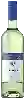
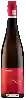
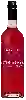
Staatsweingut MeersburgGailinger Ritterhalde Spätburgunder Weißherbst Feinherb
 Pink wine


This wine generally goes well with vegetarian

Food and wine pairings with Gailinger Ritterhalde Spätburgunder Weißherbst Feinherb
Pairings that work perfectly with Gailinger Ritterhalde Spätburgunder Weißherbst Feinherb

Original food and wine pairings with Gailinger Ritterhalde Spätburgunder Weißherbst Feinherb
The Gailinger Ritterhalde Spätburgunder Weißherbst Feinherb of Staatsweingut Meersburg matches generally quite well with dishes of vegetarian such as recipes of magic cake cheese quiche.
Details and technical informations about Staatsweingut Meersburg's Gailinger Ritterhalde Spätburgunder Weißherbst Feinherb.
Discover the grape variety: Arriloba
Fresh, fruity dry whites with a pale golden colour, supple palate and lively acidity, showing signature aromas of citrus (lemon), green apple, white flowers and herbaceous notes reminiscent of sauvignon. Thirst-quenching profile, best drunk young. Grown on small plots in south-west France (Béarn, Tursan), it contributes to local blends alongside gros manseng and baroque. French white variety obtained in 1956 (raffiat de Moncade × sauvignon).
Last vintages of this wine
The best vintages of Gailinger Ritterhalde Spätburgunder Weißherbst Feinherb from Staatsweingut Meersburg are 0
Informations about the Staatsweingut Meersburg
The Staatsweingut Meersburg is one of of the world's great estates. It offers 45 wines for sale in the of Baden to come and discover on site or to buy online.

The wine region of Baden
German capital of Pinot Noir (Spätburgunder): silky, fine reds with notes of red fruits, cherry, undergrowth and sweet spices, melted tannins. Round Grauburgunder (Pinot Gris), lively Weissburgunder, supple Müller-Thurgau, mineral Riesling. Germany's 3rd region (15,000 ha) in Baden-Württemberg facing Alsace, one of the country's warmest climates, volcanic soils at the Kaiserstuhl. Cradle of modern great German reds, elegant and fine.
The word of the wine: Fendant
See chasselas.