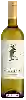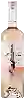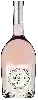
Domaine Saint Jean de la CavalerieRosé
 Pink wine



In the mouth this pink wine is a with a nice freshness.
This wine generally goes well with vegetarian, appetizers and snacks or lean fish.

Taste structure of the Rosé from the Domaine Saint Jean de la Cavalerie
Light | Bold | |
Dry | Sweet | |
Soft | Acidic |
In the mouth the Rosé of Domaine Saint Jean de la Cavalerie in the region of Pays d'Oc is a with a nice freshness.
Food and wine pairings with Rosé
Pairings that work perfectly with Rosé



Original food and wine pairings with Rosé


The Rosé of Domaine Saint Jean de la Cavalerie matches generally quite well with dishes of pasta, vegetarian or appetizers and snacks such as recipes of bean soup and spaghetti (traditional andalusian dish), spinach and goat cheese quiche or beet and goat aperitif verrines.
Details and technical informations about Domaine Saint Jean de la Cavalerie's Rosé.
Discover the grape variety: Muscat de Saint Vallier
Table grape with long clusters and golden berries with thin skin and muscat flesh, featuring a characteristic aromatic sweet flavour (rose, fresh grape). Very rarely vinified. Grown for fresh consumption in south-eastern France, appreciated for its typical muscat flavour and good shelf life. French white table grape variety obtained around 1922 in Saint-Vallier (Drôme), a muscat crossing.
Last vintages of this wine
The best vintages of Rosé from Domaine Saint Jean de la Cavalerie are 2018, 2019
Informations about the Domaine Saint Jean de la Cavalerie
The Domaine Saint Jean de la Cavalerie is one of of the world's greatest estates. It offers 9 wines for sale in the of Pays d'Oc to come and discover on site or to buy online.

The wine region of Pays d'Oc
The single-grape IGP par excellence: modern, accessible, frank and fruity wines, the popular signature of the Midi. Spicy Syrah reds (pepper, blackberry), round Merlot, structured Cabernet, generous Grenache, supple Cinsault. Crisp, tangy rosés. Opulent Chardonnay whites, lively Sauvignon, floral, apricoty Viognier.
The word of the wine: Nose
In tasting, this is the second phase, which consists of identifying the wine's aromas and possibly its defects.