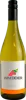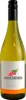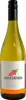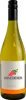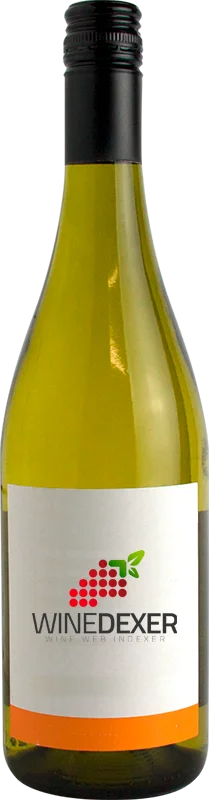
Winery SpringerNeuburské
 White wine


This wine generally goes well with
Wine flavors and olphactive analysis

Details and technical informations about Winery Springer's Neuburské.
Discover the grape variety: Arbois
Arbois is a white grape variety of French origin, in Touraine. Its name comes from orboué, a local patois word. It is recommended in the departments of Indre, Indre-et-Vallée de la Loire, Loir-et-Cher, Vallée de la Loiret, Deux-Sèvres and Vienne, and is listed as a grape variety in the Touraine, Touraine Sparkling, Cheverny and Valencay AOCs. Arbois is not widely cultivated in France, covering about 650 hectares, 600 of which are in the Loir-et-Cher region. It is a vigorous variety, but moderately productive (40 to 80 hectoliters per hectare). It is part of the grape varieties used for Vouvray, Crémant de la Loire Valley, Cheverny and Valençay wines. It gives a wine with little acidity, dry, fresh and supple. It is mainly used in blending. This grape variety from the Centre region should not be confused with the vineyard and wine of Arbois, in the Jura.
Last vintages of this wine
The best vintages of Neuburské from Winery Springer are 0
Informations about the Winery Springer
The Winery Springer is one of of the world's greatest estates. It offers 10 wines for sale in the of Morava to come and discover on site or to buy online.

The wine region of Morava
Moravia, with roughly 95 percent of the nation's Vine plantings, is the engine room of the Czech Republic's wine industry. The Center of intensively farmed bulk-wine production is also showing great promise as a producer of quality white wines. This is largely thanks to its cool Climate, comparable in many ways to that in Nahe or Pfalz, the white-wine specialists a few hundred miles west in Germany. Moravian winelands enjoy a Vineyard year well suited to the production of Complex aromatics with good Acidity.
The word of the wine: Second fermentation
In the making of champagne, fermentation of the base wine to which is added the liqueur de tirage and which takes place in the bottle. This second fermentation produces the carbon dioxide, and therefore the bubbles that make up the effervescence of the wine.