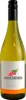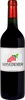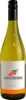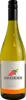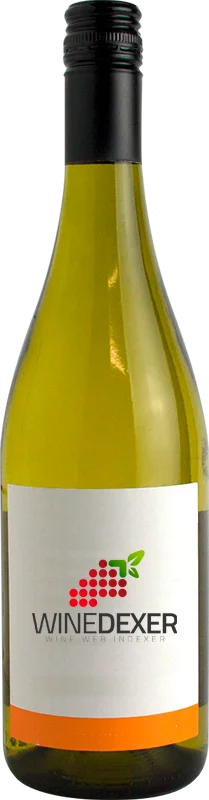
Winery SovínTramín červený Pozdní Sbèr
 Sweet wine


This wine generally goes well with poultry, rich fish (salmon, tuna etc) or mild and soft cheese.

Wine flavors and olphactive analysis

On the nose the Tramín červený Pozdní Sbèr of Winery Sovín in the region of Morava often reveals types of flavors of earth.
Food and wine pairings with Tramín červený Pozdní Sbèr
Pairings that work perfectly with Tramín červený Pozdní Sbèr



Original food and wine pairings with Tramín červený Pozdní Sbèr


The Tramín červený Pozdní Sbèr of Winery Sovín matches generally quite well with dishes of rich fish (salmon, tuna etc), spicy food or sweet desserts such as recipes of salmon pizza, sun wheat or tiramisu (original recipe).
Details and technical informations about Winery Sovín's Tramín červený Pozdní Sbèr.
Discover the grape variety: Gewurztraminer
Full-bodied, exotic whites, rich and heady, with moderate acidity, showing opulent aromas of lychee, rose, mango, ginger, pink grapefruit and gentle spice. Made as aromatic dry, moelleux late-harvest and liquorous sélection de grains nobles. Star of Alsace AOC (one of the four noble varieties) and signature of Alto Adige (Tramin), Palatinate and Germany. A pink mutation of Traminer.
Last vintages of this wine

The best vintages of Tramín červený Pozdní Sbèr from Winery Sovín are 2016, 2019, 0, 2017 and 2018.
Informations about the Winery Sovín
The Winery Sovín is one of of the world's greatest estates. It offers 30 wines for sale in the of Morava to come and discover on site or to buy online.

The wine region of Morava
Predominantly white region, lively and mineral: crisp, peppery Grüner Veltliner, taut Riesling with citrus, supple, floral Müller-Thurgau, aromatic Pálava, the local signature (muscat, white flowers). More discreet reds: spicy Frankovka (Blaufränkisch) with black fruits, fine, silky Saint Laurent. Temperate continental climate, 4 sub-regions: Mikulov, Velké Pavlovice, Znojmo, Slovácko. ~96% of the Czech vineyard, 73 grapes grown.
The word of the wine: Bleeding
Old practice for red wines. As soon as the vat is filled with grapes, the tap is opened. A sweet but clear juice escapes from the vat (it can also be used to make rosé). The colour and density of the juice is enhanced, but it should not be overdone. Rarely more than 10% of the volume of a vat, otherwise you risk losing fruit and bringing in bitterness.