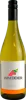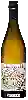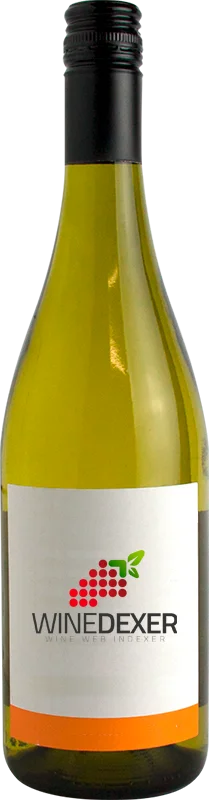
Winery Sohn (DE)Weisser Burgunder Trocken
 White wine
In the mouth this white wine is a with a nice freshness.
This wine generally goes well with rich fish (salmon, tuna etc), shellfish or mild and soft cheese.

Taste structure of the Weisser Burgunder Trocken from the Winery Sohn (DE)
Light | Bold | |
Dry | Sweet | |
Soft | Acidic |
In the mouth the Weisser Burgunder Trocken of Winery Sohn (DE) in the region of Pfalz is a with a nice freshness.
Food and wine pairings with Weisser Burgunder Trocken
Pairings that work perfectly with Weisser Burgunder Trocken



Original food and wine pairings with Weisser Burgunder Trocken

The Weisser Burgunder Trocken of Winery Sohn (DE) matches generally quite well with dishes of rich fish (salmon, tuna etc), shellfish or mild and soft cheese such as recipes of mackerel with quick mustard, giant paella cooked on a wood fire or egg muffins.
Details and technical informations about Winery Sohn (DE)'s Weisser Burgunder Trocken.
Discover the grape variety: Malvasia nera di Basilicata
Supple, aromatic reds with a deep ruby hue, moderate tannins and a light palate, showing aromas of dark fruits (blackberry, blackcurrant), violet, soft spices and floral notes. Fragrant, approachable profile. Often blended with Aglianico, it adds roundness and fruitiness to the reds of Vulture and southern Lucanian appellations. Black Malvasia variety grown in Basilicata, southern Italy.
Informations about the Winery Sohn (DE)
The Winery Sohn (DE) is one of of the world's great estates. It offers 24 wines for sale in the of Pfalz to come and discover on site or to buy online.

The wine region of Pfalz
Fleshy, dry, fruity Riesling is the region's signature: yellow peach, apricot, ripe citrus, lovely mineral tension. Germany's largest red-wine area (40%), with silky Spätburgunder showing red fruit and spice, darker structured Dornfelder, supple Portugieser. Some rounded Pinot Blanc and Pinot Gris. A 23,640 ha vineyard along the Haardt, among Germany's warmest (>2,000 h of sun).
The word of the wine: Ban des vendanges
Date of the beginning of the grape harvest, fixed by the lord in the tradition of the Middle Ages and, today, by the prefect.