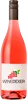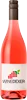
Winery SograpePortuguese Rosé
 Pink wine



This wine generally goes well with
Details and technical informations about Winery Sogrape's Portuguese Rosé.
Discover the grape variety: Bondola noire
An ancient grape variety cultivated in Italy, where it originated and is almost no longer multiplied, unknown in France as in most other wine-producing countries. It should not be confused with Bondoletta, a cross between Bondola Noire and Completer, and with the red prié called Bonda in Valle d'Aosta - Italy - (José F. Vouillamoz and Giulio Moriondo), which has almost disappeared from the vineyards today, and which is not related to Bondola Noire. Note that the white Bondola - very rare - is not the white form.
Last vintages of this wine
The best vintages of Portuguese Rosé from Winery Sogrape are 0
Informations about the Winery Sogrape
The Winery Sogrape is one of of the world's great estates. It offers 51 wines for sale in the of Douro to come and discover on site or to buy online.

The wine region of Douro
Cradle of Port: opulent fortified wine with notes of candied black fruit, cocoa, fig, walnut and spice, from young fruity Ruby to oxidative amber Tawny, plus age-worthy LBV and Vintage of exceptional cellaring. Also great dry Douro DOC reds, structured and deep (violet, black-fruited Touriga Nacional, elegant Touriga Franca, spicy Tinta Roriz). A few fresh Douro whites. Terraced vineyards (~40,000 ha) UNESCO on schist.
The wine region of Duriense
Portuguese IGP covering the Douro and Porto area (northeast), schist soils on vertiginous terraced slopes, dry continental climate, flexible status outside DOC. Touriga Nacional signature as red king (300+ authorised varieties): intense and floral with blackberry, black cherry, violet, garrigue, liquorice and mineral schist hint, firm tannins — noble Douro emblem. Supple Touriga Franca and spicy Tinta Roriz as complement. Fresh mineral whites and creative modern sparkling.
The word of the wine: Fleshy
Said of a wine that gives the impression of being dense and smooth, a bit like biting into the flesh of a ripe fruit.