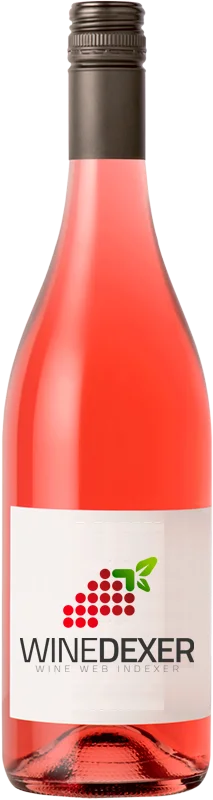
Winery SograpeAlamo Rosé
 Pink wine


This wine generally goes well with

Details and technical informations about Winery Sogrape's Alamo Rosé.
Discover the grape variety: Meunier
Early, supple and fruity reds with a clear ruby colour, smooth tannins, an airy palate with preserved acidity, and aromas of red fruits (cherry, strawberry), white flowers and brioche. A star in Champagne AOC blends, bringing freshness, fruitiness and early accessibility; it represents about a third of the Champagne vineyard. Official synonym of Pinot Meunier, a native French black variety from Champagne, a felty-leafed mutation of Pinot Noir.
Last vintages of this wine
The best vintages of Alamo Rosé from Winery Sogrape are 0
Informations about the Winery Sogrape
The Winery Sogrape is one of of the world's great estates. It offers 51 wines for sale in the of Trás-os-Montes to come and discover on site or to buy online.

The wine region of Trás-os-Montes
Northeastern Portuguese DOC "behind the mountains", northern extension of Upper Douro. Harsh continental climate, granite and schist altitude soils. Signature powerful and mineral reds: Touriga Nacional with notes of blackberry, violet, blackcurrant and resin, floral Touriga Franca, supple Tinta Roriz (Tempranillo), spicy Trincadeira, fine Bastardo, dense Marufo, firm tannins and deep palate. Taut Códega, Gouveio, Viosinho and Malvasia Fina whites (citrus, flowers, minerality).
The wine region of Transmontano
Regional Wine (IGP Trás-os-Montes) of north-east Portugal, "beyond the mountains" of Marão and Alvão, vineyards along the Tua, Sabor and Tâmega valleys, sheltered continental climate. Signature Touriga Nacional: intense and structured with blackberry, black cherry, violet, liquorice and balsamic hints, firm tannins and vibrant fruit. Elegant Touriga Franca, dense Tinta Roriz and spiced Trincadeira as complements. Gouveio, Síria, Malvasia Fina and Viosinho in whites.
The word of the wine: Anthocyanins
Phenolic compounds present in the skin of grapes that give colour to red wines during maceration.