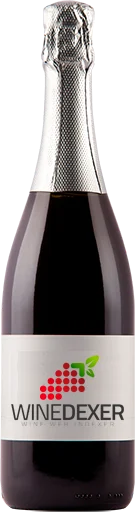
Winery SilveriCuvée Nature
 Sparkling wine



This wine generally goes well with

Wine flavors and olphactive analysis



On the nose the Cuvée Nature of Winery Silveri in the region of Primorje often reveals types of flavors of earth, oak or citrus fruit.
Details and technical informations about Winery Silveri's Cuvée Nature.
Discover the grape variety: Elbling
Crisp, light dry whites with a pale robe, slender palate and cutting acidity, showing delicate aromas of lemon, green apple, white flowers, fresh-cut grass and mineral, slaty notes. Often vinified as sparkling (Sekt, Crémant) where its nerviness shines. Star of the Luxembourg Upper Moselle schist slopes (Elbling AOP) and the upper German Mosel. Very old Germanic variety, probably introduced by the Romans.
Last vintages of this wine
The best vintages of Cuvée Nature from Winery Silveri are 0
Informations about the Winery Silveri
The Winery Silveri is one of of the world's greatest estates. It offers 8 wines for sale in the of Gori&scaronka Brda to come and discover on site or to buy online.

The wine region of Gori&scaronka Brda
Western Slovenia on the Italian border (extension of Collio), green hills. Signature Rebula (Ribolla Gialla), a native cultivated for 750 years: mineral, structured whites with signature notes of pear, white flowers, almond, citrus and marked salinity - the base of the great amber wines on skins. Also lively Sauvignon, round Pinot Grigio, almond-flavoured Friulano. Reds: supple Merlot and firm Cabernet Sauvignon.
The wine region of Primorje
Coastal region of western Slovenia, the country's most qualitative, bordering Italy. Signature elegant whites and orange wines. Star Rebula (Ribolla Gialla) with signature notes of pear, citrus, white flowers, fresh almond and a mineral touch, taut and long palate — often in long maceration (orange) with dried fruits and black tea notes. Native Refošk as dense, lively red (black cherry, iron).
The word of the wine: Bâtonnage
A very old technique that has come back into fashion in modern oenology, which consists of shaking the white wine in the barrels at the end of fermentation, or after fermentation, with a stick or a flail, in order to suspend the fine lees composed of yeasts at the end of their activity. This process is sometimes used for red wines.