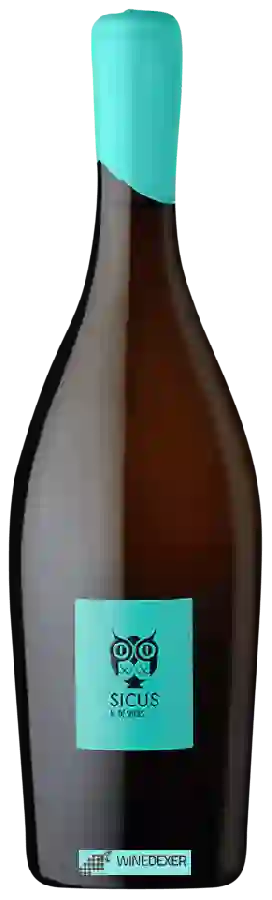
Winery SicusM de Sitges
 White wine



This wine generally goes well with

Wine flavors and olphactive analysis




On the nose the M de Sitges of Winery Sicus in the region of Catalogne often reveals types of flavors of earth, vegetal or spices and sometimes also flavors of citrus fruit, floral.
Details and technical informations about Winery Sicus's M de Sitges.
Discover the grape variety: Grenache
Supple, sun-drenched reds with a deep ruby robe, smooth tannins and moderate acidity, with intense aromas of ripe red fruit (strawberry, raspberry, candied cherry), garrigue (thyme, bay), white pepper, kirsch and soft spice. Ample, warm palate. Absolute pillar of Châteauneuf-du-Pape AOC, Gigondas, Côtes-du-Rhône, Tavel rosé, Priorat DOQ, Rioja (as Garnacha) and star of naturally sweet wines (Banyuls, Maury, Rasteau). Autochthonous Mediterranean variety from Aragon.
Last vintages of this wine
The best vintages of M de Sitges from Winery Sicus are 2016, 2014, 0, 2017 and 2015.
Informations about the Winery Sicus
The Winery Sicus is one of of the world's greatest estates. It offers 18 wines for sale in the of Penedès to come and discover on site or to buy online.

The wine region of Penedès
Historic cradle of Cava (95% of Spanish output, centred on Sant Sadurní d'Anoia): traditional-method sparklers, convivial and brioche-like. Indigenous trilogy: signature Xarel-lo (body, herbaceous and almondy notes), Macabeo (apple, freshness), Parellada (floral elegance). Still wines ~80% white from the same grapes, straight and accessible. Also sunny Garnacha, Cabernet and Pinot Noir.
The wine region of Catalogne
Cradle of Cava (~95% of Spanish output, traditional method): Macabeo, Xarel-lo, Parellada trilogy, fine fruity bubble. Quality peak in Priorat DOCa: dense, mineral reds on llicorella (schist), old-vine Garnacha and Cariñena with black fruit, garrigue notes, firm tannins. Also Penedès, fleshy Montsant, sunny Empordà, Costers del Segre. Mediterranean.
The word of the wine: Table wine
A category of wine with no geographical indication on the label, often resulting from blends between wines from different vineyards in France or the EU. These wines are now called "wines without geographical indication" (and "French wines" if they come from the national territory).