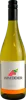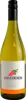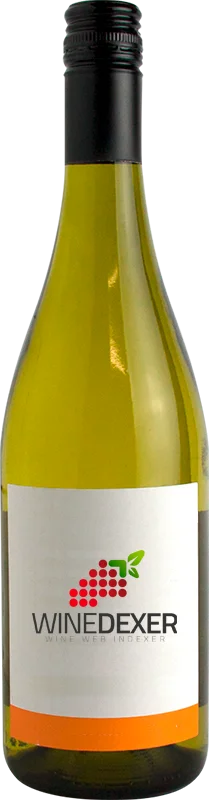
Domaine SerrignyBourgogne Blanc
 White wine


In the mouth this white wine is a powerful with a nice freshness.
This wine generally goes well with rich fish (salmon, tuna etc), shellfish or mild and soft cheese.

Taste structure of the Bourgogne Blanc from the Domaine Serrigny
Light | Bold | |
Dry | Sweet | |
Soft | Acidic |
In the mouth the Bourgogne Blanc of Domaine Serrigny in the region of Burgundy is a powerful with a nice freshness.
Food and wine pairings with Bourgogne Blanc
Pairings that work perfectly with Bourgogne Blanc



Original food and wine pairings with Bourgogne Blanc


The Bourgogne Blanc of Domaine Serrigny matches generally quite well with dishes of pasta, rich fish (salmon, tuna etc) or shellfish such as recipes of pho soup, cod rougail or squid rings with tomato.
Details and technical informations about Domaine Serrigny's Bourgogne Blanc.
Discover the grape variety: Chardonnay
Whites with many faces: mineral and taut at Chablis (lemon, green apple, flint), opulent and buttery at Meursault and Puligny-Montrachet (hazelnut, brioche, yellow fruits), tense and chalky in Champagne (Blanc de Blancs). Also vinified sparkling and widely exported (Sonoma, Margaret River, Casablanca). A Burgundian variety, a cross of Pinot Noir × Gouais Blanc, half-sibling of Aligoté.
Informations about the Domaine Serrigny
The Domaine Serrigny is one of of the world's great estates. It offers 17 wines for sale in the of Burgundy to come and discover on site or to buy online.

The wine region of Burgundy
Absolute reference for great terroir wines: opulent, mineral Chardonnay in whites (chiselled Chablis, buttery Meursault, majestic Montrachet), fine and silky Pinot Noir in reds (full-bodied Gevrey, structured Pommard, delicate Volnay). Exceptional age-worthy wines with complex notes - red fruits, undergrowth, butter, hazelnut. Some lively Aligoté and light Gamay (Mâconnais). 29,500 ha, 84 tiered AOCs (Régionale, Village, 1er Cru, Grand Cru), 1,247 UNESCO Climats.
The word of the wine: Malic (acid)
An acid that occurs naturally in many wines and is transformed into lactic acid during malolactic fermentation.