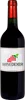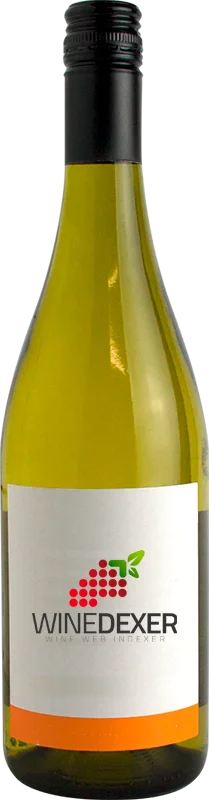
Château Moulin de MalletBordeaux Blanc Sauvignon
 White wine
In the mouth this white wine is a powerful.
This wine generally goes well with pork, vegetarian or poultry.

Taste structure of the Bordeaux Blanc Sauvignon from the Château Moulin de Mallet
Light | Bold | |
Dry | Sweet | |
Soft | Acidic |
In the mouth the Bordeaux Blanc Sauvignon of Château Moulin de Mallet in the region of Bordeaux is a powerful.
Food and wine pairings with Bordeaux Blanc Sauvignon
Pairings that work perfectly with Bordeaux Blanc Sauvignon



Original food and wine pairings with Bordeaux Blanc Sauvignon


The Bordeaux Blanc Sauvignon of Château Moulin de Mallet matches generally quite well with dishes of pork, vegetarian or poultry such as recipes of tartiflette, cream and tuna quiche or nachos (chicken).
Details and technical informations about Château Moulin de Mallet's Bordeaux Blanc Sauvignon.
Discover the grape variety: Canaiolo
Supple and delicate reds with a clear ruby hue, smooth tannins and an airy palate, featuring signature aromas of plum, violet, cherry and gentle spices. Brings roundness and fruit to blends. Long the companion of Sangiovese in the historic Chianti DOCG, it produces approachable Tuscan wines. Today seeing renewed interest as a single variety for more delicate artisan cuvées. Emblematic autochthonous black variety from Tuscany.
Informations about the Château Moulin de Mallet
The Château Moulin de Mallet is one of of the world's greatest estates. It offers 8 wines for sale in the of Bordeaux to come and discover on site or to buy online.

The wine region of Bordeaux
World-renowned age-worthy reds, led by round Merlot (plum, black fruit) or firm Cabernet Sauvignon (blackcurrant, cedar, graphite), blended with Cabernet Franc and Petit Verdot for tannic structure. Structured Médoc and Graves, velvety Saint-Émilion and Pomerol. Also crisp dry whites (Sauvignon/Sémillon) and opulent sweet Sauternes with honey and candied fruit. A 110,000 ha Gironde vineyard, 65 appellations, cradle of the 1855 classified growths.
The word of the wine: Burgundy melon
A white grape variety from Burgundy that is not widely used in its native region, but has spread to the Nantes region. It is the exclusive variety of Muscadet. It gives a dry pale yellow wine, supple and lively, with an intense bouquet, to which maturing on lees gives fatness and aromatic complexity.