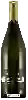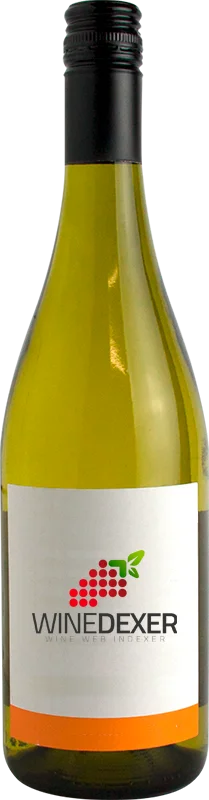
Winery SeehofWeisser Burgunder Fass 31
 White wine


In the mouth this white wine is a with a nice freshness.
This wine generally goes well with rich fish (salmon, tuna etc), shellfish or mild and soft cheese.

Taste structure of the Weisser Burgunder Fass 31 from the Winery Seehof
Light | Bold | |
Dry | Sweet | |
Soft | Acidic |
In the mouth the Weisser Burgunder Fass 31 of Winery Seehof in the region of Rheinhessen is a with a nice freshness.
Food and wine pairings with Weisser Burgunder Fass 31
Pairings that work perfectly with Weisser Burgunder Fass 31



Original food and wine pairings with Weisser Burgunder Fass 31

The Weisser Burgunder Fass 31 of Winery Seehof matches generally quite well with dishes of rich fish (salmon, tuna etc), shellfish or mild and soft cheese such as recipes of pasta salad with surimi, seafood lasagna or eggplant parmigiana.
Details and technical informations about Winery Seehof's Weisser Burgunder Fass 31.
Discover the grape variety: Moscato Bianco
Charming, aromatic whites with a pale golden robe, a luscious and slightly sparkling palate, showing intense signature aromas of muscat, rose, sage, white flowers, fresh grape and exotic fruits. A festive, delicate profile with low alcohol. The undisputed star of Asti DOCG and Moscato d'Asti DOCG in Piedmont, the signature of Italy's great muscats. The Italian synonym for Muscat Blanc à Petits Grains, one of the oldest aromatic varieties cultivated in the world.
Last vintages of this wine
The best vintages of Weisser Burgunder Fass 31 from Winery Seehof are 0
Informations about the Winery Seehof
The Winery Seehof is one of of the world's great estates. It offers 72 wines for sale in the of Rheinhessen to come and discover on site or to buy online.

The wine region of Rheinhessen
71% white region: Riesling is king (5,000 ha), dry to off-dry, ripe yellow fruit, apple, citrus and fine saline minerality. Supple, floral Müller-Thurgau for everyday, the world's largest Silvaner plantation with herbaceous, straight notes. Historic cradle of off-sweet Liebfraumilch. Some supple reds (Dornfelder, Spätburgunder).
The word of the wine: Decanter
1) Glass container with a narrow neck used to aerate or decant the wine. 2) Decanter wines: wines that are drunk young and that were once drawn directly from the barrel. For example, some Muscadets or Beaujolais.