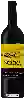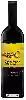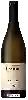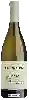
Winery SebekaSauvignon Blanc
 White wine


In the mouth this white wine is a with a nice freshness.
This wine generally goes well with vegetarian, shellfish or goat cheese.

Taste structure of the Sauvignon Blanc from the Winery Sebeka
Light | Bold | |
Dry | Sweet | |
Soft | Acidic |
In the mouth the Sauvignon Blanc of Winery Sebeka in the region of Western Cape is a with a nice freshness.
Food and wine pairings with Sauvignon Blanc
Pairings that work perfectly with Sauvignon Blanc



Original food and wine pairings with Sauvignon Blanc
The Sauvignon Blanc of Winery Sebeka matches generally quite well with dishes of shellfish, vegetarian or goat cheese such as recipes of chicken tagine with apricots and almonds, zucchini quiche or fillet of trout with tapenade and goat cheese.
Details and technical informations about Winery Sebeka's Sauvignon Blanc.
Discover the grape variety: Fleurtai
Aromatic, structured dry whites with a pale golden colour, a full palate with preserved acidity and signature aromas of white flowers, sweet almond, yellow fruits and herbaceous notes close to Friulano. Productive. Grown in northern Italy for organic and sustainable vineyards, offering a modern disease-resistant expression of Friuli. Italian white hybrid variety obtained in 2006 at the University of Udine, involving Tocai Friulano.
Last vintages of this wine
The best vintages of Sauvignon Blanc from Winery Sebeka are 0
Informations about the Winery Sebeka
The Winery Sebeka is one of of the world's greatest estates. It offers 6 wines for sale in the of Western Cape to come and discover on site or to buy online.

The wine region of Western Cape
Cradle of South African wine. Signature Chenin Blanc (Steen, 20%) in ample, fresh whites with notes of quince, yellow apple, honey and acacia flower, from crisp dry to sweet. Sharp, iodised Sauvignon Blanc (Walker Bay, Constantia), balanced Chardonnay. Reds: emblematic Pinotage with roasted aromas (coffee, plum, smoke), firm Cabernet Sauvignon, spicy Syrah.
The word of the wine: Grand Cru
In Burgundy, the fourth and final level of classification (above the regional, communal and premier cru appellations), designating the wines produced on delimited plots of land (the climats) whose name alone constitutes the appellation. The climats classified as Grand Cru are 32 in the Côte d'Or plus one in Chablis which is divided into 7 distinct climats. Representing barely 1.5% of the production, the Grand Crus are the aristocracy of Burgundy wines.