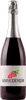
Winery Scuola EnologicaColli di Conegliano Bianco
 wine
wine
This wine generally goes well with
The Colli di Conegliano Bianco of the Winery Scuola Enologica is in the top 0 of wines of Colli di Conegliano.
Details and technical informations about Winery Scuola Enologica's Colli di Conegliano Bianco.
Discover the grape variety: Johanniter
An interspecific cross between Riesling and FR 589-54 (Seyve-Villard 12481 x (pinot gris or rülander x chasselas or gutedel)) obtained in Germany in 1968 by Johannes Zimmermann. It has the particularity of having only one gene for resistance to mildew and powdery mildew. This variety can be found in Germany, Belgium, Switzerland, the Netherlands, etc. In France, it is practically unknown. Note that the "Johanniter" grape variety is a protected trademark.
Informations about the Winery Scuola Enologica
The Winery Scuola Enologica is one of of the world's great estates. It offers 18 wines for sale in the of Colli di Conegliano to come and discover on site or to buy online.

The wine region of Colli di Conegliano
The wine region of Colli di Conegliano is located in the region of Vénétie of Italy. Wineries and vineyards like the Domaine Bepin de Eto or the Domaine Colvendrà produce mainly wines red, sparkling and white. The most planted grape varieties in the region of Colli di Conegliano are Marzemino, Cabernet-Sauvignon and Merlot, they are then used in wines in blends or as a single variety. On the nose of Colli di Conegliano often reveals types of flavors of non oak, oak or spices and sometimes also flavors of earth, red fruit or black fruit.
The wine region of Veneto
Veneto is an important and growing wine region in northeastern Italy. Veneto is administratively Part of the Triveneto area, aLong with its smaller neighbors, Trentino-Alto Adige and Friuli-Venezia Giulia. In terms of geography, culture and wine styles, it represents a transition from the Alpine and Germanic-Slavic end of Italy to the warmer, drier, more Roman lands to the South. Veneto is slightly smaller than the other major Italian wine regions - Piedmont, Tuscany, Lombardy, Puglia and Sicily - but it produces more wine than any of them.
The word of the wine: Licking
Operation consisting in sanitizing a barrel by introducing a wick of ignited sulphur which produces a release of sulphurous gas.