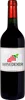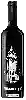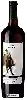
Winery SchönbergerAlte Haid Blaufränkisch
 Red wine



In the mouth this red wine is a powerful with a nice balance between acidity and tannins.
This wine generally goes well with poultry, beef or pasta.

Taste structure of the Alte Haid Blaufränkisch from the Winery Schönberger
Light | Bold | |
Smooth | Tannic | |
Dry | Sweet | |
Soft | Acidic |
In the mouth the Alte Haid Blaufränkisch of Winery Schönberger in the region of Weinland is a powerful with a nice balance between acidity and tannins.
Food and wine pairings with Alte Haid Blaufränkisch
Pairings that work perfectly with Alte Haid Blaufränkisch



Original food and wine pairings with Alte Haid Blaufränkisch
The Alte Haid Blaufränkisch of Winery Schönberger matches generally quite well with dishes of beef, pasta or poultry such as recipes of cataplana with seafood, phad thai (thai style fried noodles) or keftas tajine with eggs.
Details and technical informations about Winery Schönberger's Alte Haid Blaufränkisch.
Discover the grape variety: Plant droit
Light, simple, fruity reds with a pale ruby robe, silky tannins and an airy, moderately acidic palate, with undemonstrative aromas of red fruits. A discreet, rustic southern profile. Almost absent from commercial cultivation, preserved in INRAE variety collections for its heritage value, it testifies to the pre-phylloxera ampelographic diversity of the southern French vineyard. A rare French black grape, once grown in the South-East.
Last vintages of this wine
The best vintages of Alte Haid Blaufränkisch from Winery Schönberger are 0
Informations about the Winery Schönberger
The Winery Schönberger is one of of the world's great estates. It offers 16 wines for sale in the of Neusiedlersee-Hügelland to come and discover on site or to buy online.

The wine region of Neusiedlersee-Hügelland
Austrian region on the western shore of Lake Neusiedl (Burgenland): Blaufränkisch signature as king red — racy and mineral with notes of black cherry, blackberry, spices and a peppery touch, fine tannins and signature tension. Pinot Blanc and Chardonnay as racy whites (white fruits, flowers, minerality). Historical homeland of Ruster Ausbruch — legendary botrytised sweet wine (honey, apricot, quince). DAC Leithaberg, 3,575 ha, gneiss and mica schist soils, Pannonian climate tempered by the lake.
The wine region of Weinland
Vast German-speaking region in north-eastern Switzerland, the country's largest production area. Signature Pinot Noir (Blauburgunder): fine, fresh reds with notes of cherry, raspberry, undergrowth and sweet spices, silky tannins. Elegant, delicate style, often barrel-aged. Also light, floral Müller-Thurgau (Riesling-Sylvaner), lively, lemony native Räuschling, ample Pinot Gris.
The word of the wine: Ugni blanc
White grape variety of Italian origin, and the main white variety grown in France. Its large bunches give fine, light and lively wines, suitable for distillation: today it is the main variety for making cognac and armagnac. Ugni blanc, which is a little richer in alcohol when grown in Mediterranean regions, is used in the blending of the Provence and Corsica appellations, often in association with other grape varieties that bring aromas and structure, such as clairette, grenache blanc or sauvignon. Ugni blanc is also used, on a secondary basis, in the production of certain white wines in Gironde (AOC Bordeaux, Entre-deux-Mers, etc.).