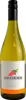
Winery Schliengen-MullheimDas ist 100% Grauburgunder Trocken
 White wine



In the mouth this white wine is a .
This wine generally goes well with pork, cured meat or mushrooms.

Taste structure of the Das ist 100% Grauburgunder Trocken from the Winery Schliengen-Mullheim
Light | Bold | |
Dry | Sweet | |
Soft | Acidic |
In the mouth the Das ist 100% Grauburgunder Trocken of Winery Schliengen-Mullheim in the region of Baden is a .
Food and wine pairings with Das ist 100% Grauburgunder Trocken
Pairings that work perfectly with Das ist 100% Grauburgunder Trocken


Original food and wine pairings with Das ist 100% Grauburgunder Trocken

The Das ist 100% Grauburgunder Trocken of Winery Schliengen-Mullheim matches generally quite well with dishes of pork, spicy food or mushrooms such as recipes of cabbage casserole, makrouna salsa (tunisian pastry) or baked whiting fillets with julienne vegetables.
Details and technical informations about Winery Schliengen-Mullheim's Das ist 100% Grauburgunder Trocken.
Discover the grape variety: Pinot
An iconic family with varied profiles: fine, silky age-worthy reds (Pinot Noir) with cherry, raspberry and undergrowth aromas; lively mineral whites (Pinot Blanc/Weißburgunder); round spicy whites (Pinot Gris/Grauburgunder); fruity Champagne bases (Pinot Meunier/Spätburgunder). Stars of Burgundy, Alsace, Champagne, Germany and the New World. All mutations of a common Burgundian ancestor, among the world's greatest varieties.
Last vintages of this wine
The best vintages of Das ist 100% Grauburgunder Trocken from Winery Schliengen-Mullheim are 2015, 2016, 0, 2019 and 2018.
Informations about the Winery Schliengen-Mullheim
The Winery Schliengen-Mullheim is one of of the world's greatest estates. It offers 81 wines for sale in the of Baden to come and discover on site or to buy online.

The wine region of Baden
German capital of Pinot Noir (Spätburgunder): silky, fine reds with notes of red fruits, cherry, undergrowth and sweet spices, melted tannins. Round Grauburgunder (Pinot Gris), lively Weissburgunder, supple Müller-Thurgau, mineral Riesling. Germany's 3rd region (15,000 ha) in Baden-Württemberg facing Alsace, one of the country's warmest climates, volcanic soils at the Kaiserstuhl. Cradle of modern great German reds, elegant and fine.
The word of the wine: Nervous
Said of a wine that leaves its mark on the palate with its strong characters and a hint of acidity, but without excess.