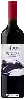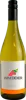
Winery SchieberMateria Prima
 Red wine


This wine generally goes well with

Details and technical informations about Winery Schieber's Materia Prima.
Discover the grape variety: Palomino
Structured dry whites transformed by oxidation and flor into great fortified wines, with a pale golden to amber color, ample palate, offering signature aromas of nuts, almond, bruised apple, yeast (flor), iodine and saline marine notes. A unique profile in the world. Star of Jerez DO, excelling as Fino, Manzanilla, Amontillado and Oloroso. Spanish indigenous variety from Andalusia, one of the most emblematic in the country.
Last vintages of this wine
The best vintages of Materia Prima from Winery Schieber are 0
Informations about the Winery Schieber
The Winery Schieber is one of of the world's great estates. It offers 39 wines for sale in the of Szekszárd to come and discover on site or to buy online.

The wine region of Szekszárd
Southern Hungarian region, land of velvety, spicy reds. Signature Szekszardi Bikaver (local "Bull's Blood"): a blend of dominant Kekfrankos (Blaufrankisch) and native Kadarka, with signature notes of ripe cherry, plum, paprika, hibiscus, tobacco and sweet spice, velvety tannins and southern roundness — softer and sunnier than Eger's. Also peppery Cabernet Franc and dense Cabernet Sauvignon. Mild Pannonian climate, loess soils over limestone.
The wine region of Dél-Pannónia
Southern Hungary (Pécs, Szekszárd, Villány, Tolna), ~7,800 ha on loess and limestone, continental climate with Mediterranean influences — bastion of great Hungarian reds. Kékfrankos and Kadarka signatures as native red kings: spiced and structured with black cherry, blackberry, plum, paprika, pepper and smoky hint, firm tannins. Ripe Cabernet Franc and Sauvignon in Bordeaux blends at Villány. Specialities Szekszárdi Bikavér and unique Cirfandli white at Pécs (spiced, honeyed).
The word of the wine: Performance
Quantity of grapes harvested per hectare. In AOC, the average yield is limited on the proposal of the appellation syndicate, validated by the Inao. The use of high-performance plant material (especially clones) and better control of vine diseases have increased yields. This is not without consequences on the quality of the wines (dilution) and on the state of the market (too much wine). We must not over-simplify: low yields are not synonymous with quality, and it is often in years with generous harvests that we find the greatest vintages (1982 and 1986 in Bordeaux, 1996 in Champagne, 1990 and 2005 in Burgundy...).