The Winery Sangue de Boi of Serra Gaúcha of Rio Grande do Sul
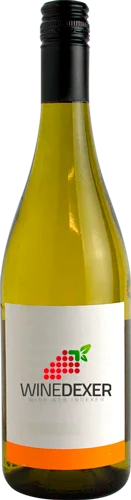
The Winery Sangue de Boi is one of the best wineries to follow in Serra Gaúcha.. It offers 4 wines for sale in of Serra Gaúcha to come and discover on site or to buy online.
Looking for the best Winery Sangue de Boi wines in Serra Gaúcha among all the wines in the region? Check out our tops of the best red, white or effervescent Winery Sangue de Boi wines. Also find some food and wine pairings that may be suitable with the wines from this area. Learn more about the region and the Winery Sangue de Boi wines with technical and enological descriptions.
How Winery Sangue de Boi wines pair with each other generally quite well with dishes of pork, rich fish (salmon, tuna etc) or vegetarian such as recipes of blue cord, round zucchini stuffed with tuna or goat cheese and bacon quiche.
In the mouth the white wine of Winery Sangue de Boi. is a with a nice freshness.
Brazil's wine capital, Rio Grande do Sul. Specialty: high-quality traditional-method sparklers, fine and fruity (apple, citrus, white flowers), elegant bubble, alpine expression of the south. Still wines mostly European: round fruity Merlot, firm Cabernet Sauvignon, more tannic Tannat, fresh Chardonnay, supple Riesling Italico, fine Pinot Noir. Marked by Italian immigration in 1875, humid climate tempered by altitude.
~80% of Brazil.
How Winery Sangue de Boi wines pair with each other generally quite well with dishes such as recipes .
Whites with many faces: mineral and taut at Chablis (lemon, green apple, flint), opulent and buttery at Meursault and Puligny-Montrachet (hazelnut, brioche, yellow fruits), tense and chalky in Champagne (Blanc de Blancs). Also vinified sparkling and widely exported (Sonoma, Margaret River, Casablanca). A Burgundian variety, a cross of Pinot Noir × Gouais Blanc, half-sibling of Aligoté.
Planning a wine route in the of Serra Gaúcha? Here are the wineries to visit and the winemakers to meet during your trip in search of wines similar to Winery Sangue de Boi.
Fruity, often sweet reds with a dense purple robe, light tannins and preserved acidity. Intense aromas of fresh grape, strawberry, raspberry and the characteristic foxy note (musky animal typical of Vitis labrusca). Often vinified sweet or semi-sweet. Pillar of American viticulture in the 19th century, today mainly used for grape juice, Welch's jelly and American kosher wine. Vitis labrusca hybrid selected around 1840 by Ephraim Bull in Concord, Massachusetts.