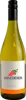
Winery Sajgó PincészetTokaji Aszú 3 Puttonyos
 Sweet wine



This wine generally goes well with
Details and technical informations about Winery Sajgó Pincészet's Tokaji Aszú 3 Puttonyos.
Discover the grape variety: Mauzac
Mauzac is a grape variety, black or white (the white one is better known), originating from the South-West. It is mainly cultivated in the vineyards of Gaillac and Limoux (where it is called blanquette), on about 5,000 hectares. mauzac has medium-sized bunches, composed of berries whose colour can vary from green to red depending on the maturity of the grapes. This grape variety likes limestone and clay-limestone soils, and it is here that it is most productive. Its white wines are fat, with little acidity and marked by aromas of ripe apple, pear, honey, quince, vanilla and violet, typical of the great sweet wines of Gaillac. mauzac also produces the famous Blanquette-de-Limoux in rural method. In this region, Mauzac is competing with Sauvignon, Chenin and Chardonnay, especially for sparkling wines which are more similar to Champagne. It is also used in some appellations such as Entre-deux-Mers, Sainte-Foy-Bordeaux, Côtes-de-Duras, Vins-de-Lavilledieu...
Last vintages of this wine
The best vintages of Tokaji Aszú 3 Puttonyos from Winery Sajgó Pincészet are 0, 2007
Informations about the Winery Sajgó Pincészet
The Winery Sajgó Pincészet is one of of the world's greatest estates. It offers 14 wines for sale in the of Tokaj to come and discover on site or to buy online.

The wine region of Tokaj
Tokaj (formerly Tokaj-Hegyalja) has Long been Hungary's most famous and respected wine region, thanks mostly to its nectar-like, botrytized Tokaji dessert wines. The region and its wine are held in such esteem in Hungary that the national anthem thanks God for it: Tokaj szolovesszein nektárt csepegtettél - into the vineyards of Tokaj you dripped Sweet nectar The region is located in the northeast of Hungary, near the border with Slovakia. Comprising roughly 30 small towns and villages, it measures 40 kilometers (25 miles) from southwest to northeast, making it roughly the same Size as Burgundy's Côte d'Or. At its very southern edge is the town of Tokaj from which the region and its wines ultimate take their name.
The word of the wine: Cutting
A blend of wines from different origins (not to be confused with the assemblage).