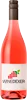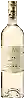
Domaine Saint Louis JayneCassis Grande Gaede
 Red wine
This wine generally goes well with

Details and technical informations about Domaine Saint Louis Jayne's Cassis Grande Gaede.
Discover the grape variety: Moscato
Sweet, lightly sparkling aromatic whites with a pale golden hue, a supple palate and preserved acidity, with intense signature aromas of muscat, rose, orange blossom, white peach, candied citrus, honey, sage and explosive muscat notes. Low alcohol, indulgent profile. Absolute star of Moscato d'Asti DOCG and Asti Spumante DOCG in Piedmont. Italian name for the muscat family (Moscato Bianco = muscat blanc à petits grains), Piedmontese signature.
Informations about the Domaine Saint Louis Jayne
The Domaine Saint Louis Jayne is one of wineries to follow in Cassis.. It offers 8 wines for sale in the of Cassis to come and discover on site or to buy online.

The wine region of Cassis
Provençal AOC (1936, among the first six classified) in an amphitheatre facing the Mediterranean below Cap Canaille, 196 ha on limestone soils, sunny and windy maritime climate. Signature whites (70%, rare in Provence) from Marsanne and Clairette: full-bodied and iodine-tinged with white peach, candied citrus, flowers, anise and saline-mineral coastal notes. Bourboulenc and Ugni Blanc as support. Lively rosés and supple reds from Grenache and Mourvèdre.
The wine region of Provence
World capital of dry, refined rosé (~90% of production). Pale rose-petal colour, delicate nose of fresh red fruits (strawberry, raspberry, redcurrant), citrus (pink grapefruit), white flowers and a mineral touch, taut and thirst-quenching palate — the Mediterranean aperitif par excellence. Blends of Grenache, Cinsault, Syrah, Tibouren and Mourvèdre. Fleshy Bandol reds from Mourvèdre (leather, garrigue, age-worthy), straight Cassis whites.
The word of the wine: Liquid
Sweet wine containing more than 50 grams of residual sugar per liter. Sweet wines are made from grapes often affected by botrytis cinerea and concentrated either by passerillage (drying of the grapes on the vine stock), or after the harvest (straw wines), or by the cold (ice wines).