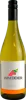
Winery Russian River VineyardsBotrytis Chardonnay
 wine
wine
This wine generally goes well with
The Botrytis Chardonnay of the Winery Russian River Vineyards is in the top 0 of wines of Mendocino Ridge.

Details and technical informations about Winery Russian River Vineyards's Botrytis Chardonnay.
Discover the grape variety: Melon
Crisp, dry whites with a pale robe, lean palate and lively acidity, showing delicate aromas of lemon, green apple, white flowers, pear, fresh almond and characteristic saline, iodine notes. Refreshing, ideal with Atlantic seafood. Star of Muscadet AOC (Sèvre-et-Maine, Côtes de Grandlieu, Coteaux de la Loire), aged on lees for added body. Native Burgundian variety (synonym Melon de Bourgogne), offspring of Pinot × Gouais blanc.
Informations about the Winery Russian River Vineyards
The Winery Russian River Vineyards is one of of the world's great estates. It offers 45 wines for sale in the of Mendocino Ridge to come and discover on site or to buy online.

The wine region of Mendocino Ridge
Only non-contiguous AVA in the United States (1997) on the Mendocino coast: vineyards above 1,200 ft, nicknamed "Islands in the Sky" emerging from coastal fog. Old-vine Zinfandel signature variety, Pinot Noir, Syrah, Riesling and Chardonnay complement. Poor, well-drained sandy and schist soils, stressed vines producing small thick-skinned berries with concentrated aromas. Cool maritime Region I-II Winkler climate, vibrant and structured wines.
The wine region of California
Powerful, sunny reds: dense Napa Cabernet Sauvignon (blackcurrant, chocolate, tobacco, ample tannins), spicy, jammy Zinfandel from the Sierra Foothills, silky red-fruited Pinot Noir on the cool coast (Sonoma, Russian River, Central Coast). Opulent, buttery Chardonnay, notes of yellow fruit and vanilla. Varied climate, from the hot interior to the Pacific-cooled coast. 80% of US production, 139 AVAs including Napa (1st AVA, 1981).
The word of the wine: Draft liquor (champagne)
After blending, the wine is bottled with a liqueur de tirage (a mixture of sugar and wine) and a yeast (selected yeasts). The yeast attacks the sugar and creates carbon dioxide. The fermentation, which lasts about two months, is prolonged by an ageing period (15 months minimum in total). The bottle is capped (some rare vintages are capped with a staple and a cork).