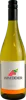
Winery Rothley Wine EstateHigh Hopes Dry
 wine
wine
This wine generally goes well with
The High Hopes Dry of the Winery Rothley Wine Estate is in the top 0 of wines of England.
Details and technical informations about Winery Rothley Wine Estate's High Hopes Dry.
Discover the grape variety: Pinot blanc
Pinot Blanc is a grape variety that originated in Burgundy, mutated from Pinot Gris. Today, it is grown in Alsace where it is called klevner when blended with auxerrois. The continental climate, with its cold winters and hot summers, is particularly suited to pinot blanc. It is resistant to frost in winter and in summer, the roots draw the minerals it needs from the warm soil. Its bunches are made up of small berries with thick skins and melting pulp that produce fruity, spicy wines, balanced between acidity and alcohol. pinot blanc is also used for crémants and sparkling wines. Pinot Blanc is also used for Crémant and sparkling wines. It is widely grown in Italy, where it covers almost 7,000 hectares, and is also found in Germany, Austria, Canada and South Africa.
Informations about the Winery Rothley Wine Estate
The Winery Rothley Wine Estate is one of of the world's greatest estates. It offers 6 wines for sale in the of England to come and discover on site or to buy online.

The wine region of England
England, although more famous for gin and beer, has been producing wine since Roman Imperial times (100 – 400 AD). Historically the country has not been known for the quality of its winemaking, inhibited by its northerly latitude and resulting cool Climate. However the last decade or so has seen considerable progress and expansion, and increases in planting of noble Grape varieties. Significant chaptilzation to off-set the high Acidity of under-ripe grapes was once common practice but since the 1970s and particularly since the turn of the millennium natural sugar levels have increased in the Vineyard and wines have increased in quality and reputation.
The word of the wine: Malolactic fermentation
Called second fermentation or malo for short. It is the degradation (under the effect of bacteria) of the malic acid naturally present in the wine into milder, less aggressive lactic acid. Some producers or wineries refuse this operation by "blocking the malo" (by cold and adding SO2) to keep a maximum of acidity which carries the aromas and accentuates the sensation of freshness.