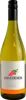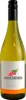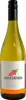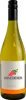
Winery Rodinné Vinařství Pavel BinderPálava Pozdní Sběr
 White wine


This wine generally goes well with

Details and technical informations about Winery Rodinné Vinařství Pavel Binder's Pálava Pozdní Sběr.
Discover the grape variety: Lakemont
Seedless table grape variety with long clusters and golden, thin-skinned, crunchy berries, with a sweet muscat flavour. Early ripening and cold-resistant. Very rarely vinified, occasionally as fresh, fruity whites with muscat notes. Grown mainly in the north-eastern United States (New York) and Canada (Ontario) for fresh consumption. American seedless white variety obtained in 1972 by Cornell University (Ontario × Sultanina).
Last vintages of this wine
The best vintages of Pálava Pozdní Sběr from Winery Rodinné Vinařství Pavel Binder are 0
Informations about the Winery Rodinné Vinařství Pavel Binder
The Winery Rodinné Vinařství Pavel Binder is one of of the world's great estates. It offers 29 wines for sale in the of Morava to come and discover on site or to buy online.

The wine region of Morava
Predominantly white region, lively and mineral: crisp, peppery Grüner Veltliner, taut Riesling with citrus, supple, floral Müller-Thurgau, aromatic Pálava, the local signature (muscat, white flowers). More discreet reds: spicy Frankovka (Blaufränkisch) with black fruits, fine, silky Saint Laurent. Temperate continental climate, 4 sub-regions: Mikulov, Velké Pavlovice, Znojmo, Slovácko. ~96% of the Czech vineyard, 73 grapes grown.
The word of the wine: Alcoholic fermentation
Transformation of sugars into alcohol under the effect of yeast. These yeasts exist in their natural state in the vineyards and in the cellars. Artificial seeding with selected yeasts is however very often practiced.