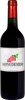
Winery Rodinné Vinařství BenešFrankovka Pozdní Sběr
 Red wine



This wine generally goes well with pork, rich fish (salmon, tuna etc) or mature and hard cheese.

Food and wine pairings with Frankovka Pozdní Sběr
Pairings that work perfectly with Frankovka Pozdní Sběr



Original food and wine pairings with Frankovka Pozdní Sběr

The Frankovka Pozdní Sběr of Winery Rodinné Vinařství Beneš matches generally quite well with dishes of pork, rich fish (salmon, tuna etc) or mature and hard cheese such as recipes of barbecued filet mignon, raw salmon marinade with vinegars or mushrooms stuffed with tomme and rosemary.
Details and technical informations about Winery Rodinné Vinařství Beneš's Frankovka Pozdní Sběr.
Discover the grape variety: Bouchalès
Light and fruity reds with a clear ruby robe, barely noticeable tannins and a supple palate, with simple aromas of red fruits (cherry, raspberry, strawberry), soft spices and floral notes. A rustic airy profile to drink young. Often blended with Abouriou, Merlot and Cabernet Franc, it contributes to the AOC Côtes-du-Marmandais reds and reflects the South-West heritage. Native French black grape from the South-West (Côtes-du-Marmandais, Buzet).
Last vintages of this wine
The best vintages of Frankovka Pozdní Sběr from Winery Rodinné Vinařství Beneš are 0
Informations about the Winery Rodinné Vinařství Beneš
The Winery Rodinné Vinařství Beneš is one of of the world's great estates. It offers 19 wines for sale in the of Morava to come and discover on site or to buy online.

The wine region of Morava
Predominantly white region, lively and mineral: crisp, peppery Grüner Veltliner, taut Riesling with citrus, supple, floral Müller-Thurgau, aromatic Pálava, the local signature (muscat, white flowers). More discreet reds: spicy Frankovka (Blaufränkisch) with black fruits, fine, silky Saint Laurent. Temperate continental climate, 4 sub-regions: Mikulov, Velké Pavlovice, Znojmo, Slovácko. ~96% of the Czech vineyard, 73 grapes grown.
The word of the wine: Clone
A vine propagated from a single specimen (by cuttings or grafting), as opposed to mass selection, which starts from a family of vines.