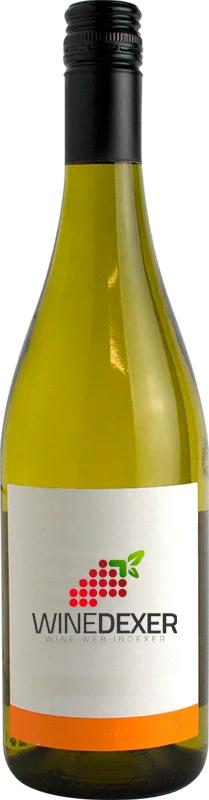
Winery Roche MoreauxVin Du Pays De Jardin Sauvignon
 White wine
This wine generally goes well with vegetarian, rich fish (salmon, tuna etc) or shellfish.

Food and wine pairings with Vin Du Pays De Jardin Sauvignon
Pairings that work perfectly with Vin Du Pays De Jardin Sauvignon



Original food and wine pairings with Vin Du Pays De Jardin Sauvignon
The Vin Du Pays De Jardin Sauvignon of Winery Roche Moreaux matches generally quite well with dishes such as recipes .
Details and technical informations about Winery Roche Moreaux's Vin Du Pays De Jardin Sauvignon.
Discover the grape variety: Carignan Gris
Lively, aromatic dry whites and pale rosés with a golden-to-salmon colour and a crisp, elegant palate; signature aromas of yellow fruits (peach, apricot), citrus, white flowers and Mediterranean notes. Original Mediterranean profile. Increasingly prized by Roussillon winemakers for small-batch, atypical cuvées. A grey-skinned mutation of Carignan, grown in small quantities in Languedoc-Roussillon, France.
Informations about the Winery Roche Moreaux
The Winery Roche Moreaux is one of of the world's greatest estates. It offers 2 wines for sale in the of Pays Nantais to come and discover on site or to buy online.

The wine region of Pays Nantais
Atlantic outlet of the Loire around Nantes, kingdom of Muscadet. Melon de Bourgogne signature in white: dry and iodised with signature notes of citrus, green apple, white flowers, fresh herbs and a saline mineral touch, taut and refreshing palate — the ideal companion for oysters and seafood. 'Sur lie' mention adds light spritz and brioche complexity. Lively Gros Plant and trenchant Folle Blanche.
The wine region of Loire Valley
Kingdom of lively, dry whites and fine sparklers. Mineral, taut Sauvignon Blanc (Sancerre, Pouilly-Fumé) with citrus and gunflint notes. Multiform Chenin Blanc (Vouvray, Savennières, Layon): straight dry, floral off-dry or noble sweet honey-quince. Saline, iodised Muscadet (Melon B.
The word of the wine: Extraction
All the methods (pumping over, punching down) that allow the colour and tannins to be extracted from the grape skin during maceration, before fermentation begins. It is also possible to macerate after fermentation, but gently, so as not to extract the tannins from the seeds, which are greener. Because of its solvent power, alcohol favours extraction.