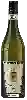
Winery Rio favaBarbera d'Alba
 Red wine


In the mouth this red wine is a powerful with a nice freshness.
This wine generally goes well with pork, poultry or veal.
Taste structure of the Barbera d'Alba from the Winery Rio fava
Light | Bold | |
Smooth | Tannic | |
Dry | Sweet | |
Soft | Acidic |
In the mouth the Barbera d'Alba of Winery Rio fava in the region of Piedmont is a powerful with a nice freshness.
Wine flavors and olphactive analysis



On the nose the Barbera d'Alba of Winery Rio fava in the region of Piedmont often reveals types of flavors of earth, oak.
Food and wine pairings with Barbera d'Alba
Pairings that work perfectly with Barbera d'Alba



Original food and wine pairings with Barbera d'Alba


The Barbera d'Alba of Winery Rio fava matches generally quite well with dishes of pasta, veal or pork such as recipes of maultaschen ( swabian ravioli ), small stuffed provençal dishes or cabbage casserole.
Details and technical informations about Winery Rio fava's Barbera d'Alba.
Discover the grape variety: Blanqueiron
Blanqueiron blanc is a grape variety that originated in . It produces a variety of grape specially used for wine making. It is rare to find this grape to eat on our tables. Blanqueiron blanc is found in the vineyards of Provence and Corsica.
Last vintages of this wine
The best vintages of Barbera d'Alba from Winery Rio fava are 0
Informations about the Winery Rio fava
The Winery Rio fava is one of of the world's greatest estates. It offers 1 wines for sale in the of Piedmont to come and discover on site or to buy online.

The wine region of Piedmont
Piedmont (Piemonte) holds an unrivalled place among the world's finest wine regions. Located in northwestern Italy, it is home to more DOCG wines than any other Italian region, including such well-known and respected names as Barolo, Barbaresco and Barbera d'Asti. Though famous for its Austere, Tannic, Floral">floral reds made from Nebbiolo, Piedmont's biggest success story in the past decade has been Moscato d'Asti, a Sweet, Sparkling white wine. Piedmont Lies, as its name suggests, at the foot of the Western Alps, which encircle its northern and western sides and form its naturally formidable border with Provence, France.
The word of the wine: Old vines
There are no specific regulations governing the term "vieilles vignes". After 20 to 25 years, the yields stabilize and tend to decrease, the vines are deeply rooted, and the grapes that come from them give richer, more concentrated, more sappy wines, expressing with more nuance the characteristics of their terroir. It is possible to find plots of vines that claim to be a century old.