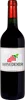
Winery RiccoAdela Paestum Vino Rosso
 wine
wine
This wine generally goes well with
The Adela Paestum Vino Rosso of the Winery Ricco is in the top 0 of wines of Paestum.
Details and technical informations about Winery Ricco's Adela Paestum Vino Rosso.
Discover the grape variety: Cabernet-Dorsa
Intraspecific cross between the limberger and the dornfelder made in 1971 by Bernard Hill of the Weinsberg Research Institute in Germany. It can be found in the Netherlands, Germany, Belgium, Switzerland, Poland, the Czech Republic and the United States. Note that Cabernet Dorio has the same parents.
Informations about the Winery Ricco
The Winery Ricco is one of of the world's greatest estates. It offers 6 wines for sale in the of Paestum to come and discover on site or to buy online.

The wine region of Paestum
The wine region of Paestum is located in the region of Campanie of Italy. Wineries and vineyards like the Domaine Viticoltori de Conciliis or the Domaine San Salvatore produce mainly wines red, white and pink. The most planted grape varieties in the region of Paestum are Aglianico, Primitivo and Sangiovese, they are then used in wines in blends or as a single variety. On the nose of Paestum often reveals types of flavors of cherry, peach or red fruit and sometimes also flavors of black fruit, floral or dried fruit.
The wine region of Campania
Campania is a region that forms the "tibia" of the boot of Italy, and whose largest city is Naples. Its name comes from Campania felix, a Latin phrase meaning roughly "happy land". The region has strong historical links with wine and vineyards, dating back to the 12th century BC, and is one of the oldest wine regions in Italy. The considerable influence of ancient empires, including the Greeks, Romans and Byzantines, means that some of the varieties in this region are linked to historical legends.
The word of the wine: Maturing (champagne)
After riddling, the bottles are stored on "point", upside down, with the neck of one bottle in the bottom of the other. The duration of this maturation is very important: in contact with the dead yeasts, the wine takes on subtle aromas and gains in roundness and fatness. A brut without year must remain at least 15 months in the cellar after bottling, a vintage 36 months.