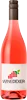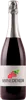
Winery Rey de CopasBrut Rosé
 wine
wine
This wine generally goes well with
The Brut Rosé of the Winery Rey de Copas is in the top 0 of wines of La Mancha.

Details and technical informations about Winery Rey de Copas's Brut Rosé.
Discover the grape variety: Vignoles
Aromatic, tangy whites with a taut palate and lively acidity, showing intense aromas of pineapple, apricot, peach, passion fruit, white flowers and honey. Exceptional aptitude for late-harvest and botrytised sweet wines. Star of the great sweet wines of Finger Lakes (New York), Missouri, Virginia and Ontario, defining the identity of North American continental whites. French hybrid created in the early 20th century by J.-F. Ravat (Ravat 51).
Informations about the Winery Rey de Copas
The Winery Rey de Copas is one of of the world's greatest estates. It offers 8 wines for sale in the of La Mancha to come and discover on site or to buy online.

The wine region of La Mancha
World's largest contiguous wine area (190,000 ha), south of Madrid. Accessible, sunny wines: Tempranillo (here Cencibel) in full quality rise, supple reds with notes of ripe cherry, plum and spices; spicy Syrah, firm Cabernet Sauvignon, round Merlot. Light neutral Airén whites (75% of the vineyard), fresh Macabeo (Viura). Dry, hot continental climate, limestone and clay soils.
The wine region of Castille
Cradle of great Castilian reds, high-altitude plateaus (450-1000 m) along the Duero. Tempranillo king (aka Tinta de Toro, Tinto Fino): powerful, concentrated, structured reds with notes of black cherry, plum, leather, tobacco and spice, firm tannins from altitude and cool nights. Stars: Ribera del Duero (Vega Sicilia, Pingus), fleshy Toro, Bierzo (floral, mineral Mencía). Lively, herbaceous Verdejo whites from Rueda.
The word of the wine: Clone
A vine propagated from a single specimen (by cuttings or grafting), as opposed to mass selection, which starts from a family of vines.