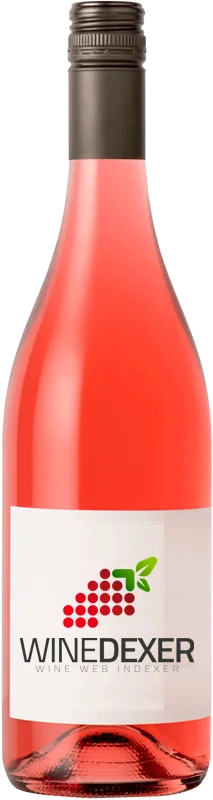
Winery Les Producteurs RéunisCuvée Selectionnee Colanbeen Rosé
 Pink wine
This wine generally goes well with vegetarian, appetizers and snacks or lean fish.

Food and wine pairings with Cuvée Selectionnee Colanbeen Rosé
Pairings that work perfectly with Cuvée Selectionnee Colanbeen Rosé



Original food and wine pairings with Cuvée Selectionnee Colanbeen Rosé


The Cuvée Selectionnee Colanbeen Rosé of Winery Les Producteurs Réunis matches generally quite well with dishes of pasta, vegetarian or appetizers and snacks such as recipes of lasagna with pointed cabbage, goat cheese and bacon quiche or pastels (senegalese stuffed fritters).
Details and technical informations about Winery Les Producteurs Réunis's Cuvée Selectionnee Colanbeen Rosé.
Discover the grape variety: Madeleine angevine O.
Simple and fresh dry whites with a pale golden hue, a supple palate with preserved acidity, and undemonstrative aromas of citrus and white flowers. Very early-ripening, suited to northern viticultural climates. Grown in small quantities in France, Germany and England. A variant of Madeleine angevine selected by Oberlin, an early-ripening crossing obtained for northern viticultural climates.
Informations about the Winery Les Producteurs Réunis
The Winery Les Producteurs Réunis is one of wineries to follow in Pays d'Oc.. It offers 584 wines for sale in the of Pays d'Oc to come and discover on site or to buy online.

The wine region of Pays d'Oc
The single-grape IGP par excellence: modern, accessible, frank and fruity wines, the popular signature of the Midi. Spicy Syrah reds (pepper, blackberry), round Merlot, structured Cabernet, generous Grenache, supple Cinsault. Crisp, tangy rosés. Opulent Chardonnay whites, lively Sauvignon, floral, apricoty Viognier.
The word of the wine: Reassembly
During the vinification process, a "cap" is formed at the top of the vats with the solid parts (skin, pulp, pips, etc.), which contain tannins and colouring elements. Pumping over consists of emptying the vat from the bottom and pouring the juice back to the top, in order to mix the cap and the juice and to favour the exchange and the extraction. This old technique allows a better exchange between the solid parts and the liquid.









