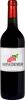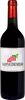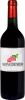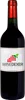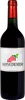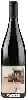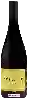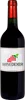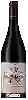
Winery Rene MartinVieilles Vignes Régnié
 Red wine
This wine generally goes well with pork, poultry or veal.
Food and wine pairings with Vieilles Vignes Régnié
Pairings that work perfectly with Vieilles Vignes Régnié



Original food and wine pairings with Vieilles Vignes Régnié

The Vieilles Vignes Régnié of Winery Rene Martin matches generally quite well with dishes of pasta, veal or pork such as recipes of meat lasagna, pork tenderloin with onions or pizza calzone with ham and mushrooms.
Details and technical informations about Winery Rene Martin's Vieilles Vignes Régnié.
Discover the grape variety: Pineau d'Aunis
The wines produced in the Vendôme region are of excellent quality thanks to an exceptional grape variety: pineau d'aunis. For example, the red wines of the region, with their aromas of ripe red fruit and sweet spices, are a blend of Pineau d'Aunis, Cabernet Franc and Pinot Noir. The Vendôme hillsides are less than 200 km southwest of Paris. Pineau d'Aunis, a vigorous black grape variety, was first cultivated in the 9th century. It is characterized by a late budburst. Moreover, its foliage partially reddens in autumn. Although it is difficult to grow, Pineau d'Aunis is a high-yielding grape variety, producing between 40 and 80 hectolitres per hectare. It produces a wine with low alcohol content, supple, light-coloured and very aromatic. The "Pineau d'Aunis" grape variety is used as a single variety for the production of Coteaux du Vendômois. On the other hand, it is used in blends for Anjou, Rosé d'Anjou, Crémant de vallée de la Loire, Rosé de vallée de la Loire, Saumur, Saumur Champigny, Coteaux du Loir and Touraine. Finally, it is an accessory grape variety for Valençay.
Informations about the Winery Rene Martin
The Winery Rene Martin is one of wineries to follow in Régnié.. It offers 6 wines for sale in the of Régnié to come and discover on site or to buy online.

The wine region of Régnié
Regnié is an appellation for red wines made from Gamay grapes in the northern Beaujolais, covering land immediately east of the Village of Beaujeu. Regnié wines are among the lightest of the Beaujolais crus. They are fragrant and structured, with refined tannins. The communes of Regnié-Durette and Lantignié were once Part of the more Generic Beaujolais Villages appellation.
The wine region of Beaujolais
Beaujolais is an important wine region in eastern France, famous for its vibrant, Fruity red wines made from Gamay. It is located immediately South of Burgundy, of which it is sometimes considered a Part, although it is in the administrative region of Rhône. The extensive plantings of Gamay in this region make Beaujolais one of the few regions in the world that is so concentrated on a single Grape variety. Pinot Noir is used in small quantities in red and rosé wines, but in the name of regional identity, it is being phased out and will only be allowed until the 2015 harvest.
The word of the wine: Provignage
A vine reproduction technique that consists of burying a vine shoot that takes root and reproduces a plant with the same characteristics as the vine to which it is attached.