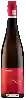
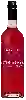
Winery Reichsgraf von PlettenbergBischoffinger Vulkanfelsen Blauer Spätburgunder Weissherbst
 Pink wine
This wine generally goes well with vegetarian

Food and wine pairings with Bischoffinger Vulkanfelsen Blauer Spätburgunder Weissherbst
Pairings that work perfectly with Bischoffinger Vulkanfelsen Blauer Spätburgunder Weissherbst

Original food and wine pairings with Bischoffinger Vulkanfelsen Blauer Spätburgunder Weissherbst
The Bischoffinger Vulkanfelsen Blauer Spätburgunder Weissherbst of Winery Reichsgraf von Plettenberg matches generally quite well with dishes of vegetarian such as recipes of summer tuna quiche.
Details and technical informations about Winery Reichsgraf von Plettenberg's Bischoffinger Vulkanfelsen Blauer Spätburgunder Weissherbst.
Discover the grape variety: Garanoir
Supple and fruity reds with a purple colour and melted tannins, on aromas of cherry, raspberry, blackberry, sweet spices and floral notes. Round palate, fresh finish, more tender and approachable young than its sibling Gamaret. Vinified as a thirst-quenching single variety and in modern red blends with Gamaret, Gamay and Pinot Noir in Swiss Romandy (Vaud, Geneva, Valais). A cross of Gamay × Reichensteiner created in 1970 at the Pully station, same lineage as Gamaret.
Informations about the Winery Reichsgraf von Plettenberg
The Winery Reichsgraf von Plettenberg is one of wineries to follow in Baden.. It offers 70 wines for sale in the of Baden to come and discover on site or to buy online.

The wine region of Baden
German capital of Pinot Noir (Spätburgunder): silky, fine reds with notes of red fruits, cherry, undergrowth and sweet spices, melted tannins. Round Grauburgunder (Pinot Gris), lively Weissburgunder, supple Müller-Thurgau, mineral Riesling. Germany's 3rd region (15,000 ha) in Baden-Württemberg facing Alsace, one of the country's warmest climates, volcanic soils at the Kaiserstuhl. Cradle of modern great German reds, elegant and fine.
The word of the wine: Collar
The upper, cylindrical part of the bottle. Sales of wine bottles are generally expressed in number of bottles.