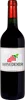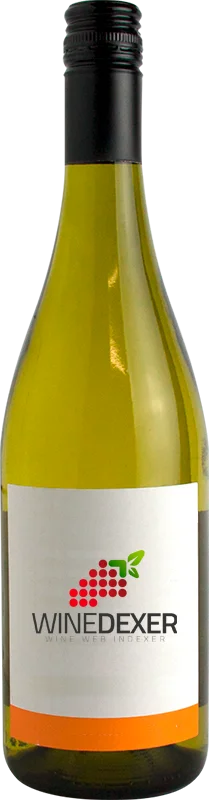
Winery Red PeakMoscato
 White wine



This wine generally goes well with sweet desserts
Wine flavors and olphactive analysis

On the nose the Moscato of Winery Red Peak in the region of Australie du Sud-Est often reveals types of flavors of earth, tree fruit or tropical fruit.
Food and wine pairings with Moscato
Pairings that work perfectly with Moscato

Original food and wine pairings with Moscato
The Moscato of Winery Red Peak matches generally quite well with dishes of sweet desserts such as recipes of homemade cookies.
Details and technical informations about Winery Red Peak's Moscato.
Discover the grape variety: Madeleine angevine
Resulting from a sowing carried out in 1857 in Angers (Maine and Loire Valley) by Jean-Pierre Vibert and from 1863 marketed by the Moreau-Robert company. According to genetic analyses, this variety is the result of a cross between the royal madeleine and the blanc d'ambre. It has been used very often by hybridizers, the Csaba pearl being a good example. This variety is found in the United States (Washington), Germany and England, where it is vinified and its wine appreciated. - Synonymy: Angevine (for all the synonyms of the varieties, click here!).
Last vintages of this wine
The best vintages of Moscato from Winery Red Peak are 2017, 0, 2015, 2016 and 2018.
Informations about the Winery Red Peak
The Winery Red Peak is one of of the world's greatest estates. It offers 7 wines for sale in the of Australie du Sud-Est to come and discover on site or to buy online.

The wine region of Australie du Sud-Est
South East Australia is a geographical indication (GI) covering the entire south-eastern third of Australia. The western boundary of this area extends 2,000 kilometres (1,250 miles) across the Australian continent from the Pacific coast of Queensland to the Southern Ocean coast of South Australia. This vast wine 'super zone' effectively encompasses all the major Australian wine regions outside Western Australia. Rainforest, mountain ranges, scrubland, desert and Dry riverbeds occupy the majority of the land in the South East Australian area.
The word of the wine: Dismantling
After devatting, the pomace is removed from the tank. If this operation is carried out manually, it is important to ventilate the vat well to avoid the risk of accidents due to the presence of carbon dioxide.