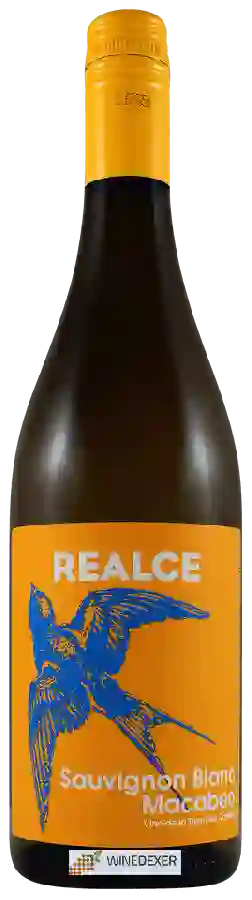
Winery RealceBianco
 White wine



This wine generally goes well with vegetarian, rich fish (salmon, tuna etc) or shellfish.

Wine flavors and olphactive analysis



On the nose the Bianco of Winery Realce in the region of Castille often reveals types of flavors of earth, microbio or tree fruit and sometimes also flavors of spices, citrus fruit.
Food and wine pairings with Bianco
Pairings that work perfectly with Bianco



Original food and wine pairings with Bianco
The Bianco of Winery Realce matches generally quite well with dishes of rich fish (salmon, tuna etc), shellfish or vegetarian such as recipes of pasta with tuna, garlic and lemon cream, parsley knives or leek, goat cheese and bacon quiche.
Details and technical informations about Winery Realce's Bianco.
Discover the grape variety: Béquignol
Deeply coloured, structured reds with a sustained purple robe, firm tannins, an ample palate and moderate acidity; signature aromas of dark fruits (blackberry, blackcurrant), spices and rustic notes from Aveyron. Full-bodied, age-worthy style. Preserved in a few heritage plots of the IGP Aveyron, among the ancient South-West varieties studied for their genetic interest. Indigenous French black grape from the South-West, grown in Aveyron and the Lot.
Last vintages of this wine
The best vintages of Bianco from Winery Realce are 2017, 0
Informations about the Winery Realce
The Winery Realce is one of of the world's greatest estates. It offers 10 wines for sale in the of Castille to come and discover on site or to buy online.

The wine region of Castille
Cradle of great Castilian reds, high-altitude plateaus (450-1000 m) along the Duero. Tempranillo king (aka Tinta de Toro, Tinto Fino): powerful, concentrated, structured reds with notes of black cherry, plum, leather, tobacco and spice, firm tannins from altitude and cool nights. Stars: Ribera del Duero (Vega Sicilia, Pingus), fleshy Toro, Bierzo (floral, mineral Mencía). Lively, herbaceous Verdejo whites from Rueda.
The word of the wine: Local wine
Table wine, but with the origin indicated. It corresponds to a particular legislation: the freedom to use grape varieties is greater than for the AOC, but the quality criteria such as the approval tastings can sometimes be more demanding. The legislation is still evolving, but for the moment there are three levels: regional (e.g. Vin de Pays d'Oc), departmental and local (e.g. Côtes de Thongue).