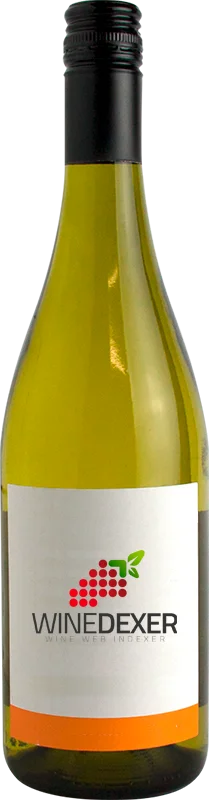
Winery RatapoilLe Ratapoil
 White wine



In the mouth this white wine is a with a nice freshness.
This wine generally goes well with poultry, mild and soft cheese or mushrooms.

Taste structure of the Le Ratapoil from the Winery Ratapoil
Light | Bold | |
Dry | Sweet | |
Soft | Acidic |
In the mouth the Le Ratapoil of Winery Ratapoil in the region of Vin de France is a with a nice freshness.
Food and wine pairings with Le Ratapoil
Pairings that work perfectly with Le Ratapoil


Original food and wine pairings with Le Ratapoil
The Le Ratapoil of Winery Ratapoil matches generally quite well with dishes of poultry, mushrooms or mild and soft cheese such as recipes of royal couscous, rabbit with mushrooms or samoussa 3 reunionese cheeses.
Details and technical informations about Winery Ratapoil's Le Ratapoil.
Discover the grape variety: Encruzado
Structured, aromatic dry whites with a pale golden robe, an ample palate and preserved acidity, with signature aromas of citrus (lemon), white-fleshed fruits (peach, pear), white flowers (acacia) and granitic mineral notes. Fine ageing potential, sometimes barrel-aged. Absolute star of Dão DOC, considered the great white wine of the region, excelling as a single variety. Autochthonous Portuguese white variety from the Dão.
Informations about the Winery Ratapoil
The Winery Ratapoil is one of of the world's greatest estates. It offers 22 wines for sale in the of Vin de France to come and discover on site or to buy online.

The wine region of Vin de France
The freest category of French wine, the playground of winemakers working outside the AOC. All styles combined: fruity reds, lively or ambitious whites, everyday rosés, unusual blends, natural wines, atypical grapes (Petit Manseng in Languedoc, Riesling in Provence), experimental winemaking (skin-contact whites, no sulphur). Grape and vintage labelling allowed, no geographic constraint. From the pop, convivial cuvée to the artisan gem: freedom in a bottle.
The word of the wine: Sulphur
An antiseptic and antioxidant substance known since antiquity, probably already used by the Romans. But it was only in modern times that its use was rediscovered. It will allow a better conservation of the wine and thus favour its export. Sulphur also gave the 18th century winegrower the possibility of extending the maceration period without fearing that the wine would turn sour and thus go from dark rosé wines to the red wines of today. Excessive sulphur, on the other hand, kills happiness, paralysing the aromas and causing headaches.