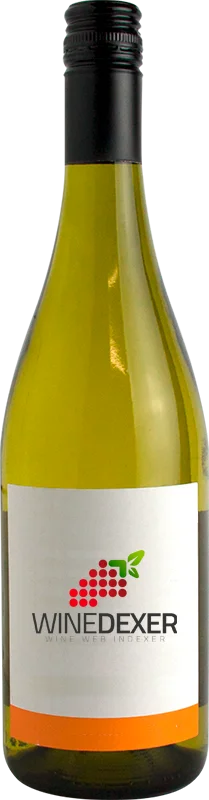
Winery RasciatanoMalvasia Bianca
 White wine



In the mouth this white wine is a powerful.
This wine generally goes well with vegetarian, appetizers and snacks or shellfish.

Taste structure of the Malvasia Bianca from the Winery Rasciatano
Light | Bold | |
Dry | Sweet | |
Soft | Acidic |
In the mouth the Malvasia Bianca of Winery Rasciatano in the region of Puglia is a powerful.
Food and wine pairings with Malvasia Bianca
Pairings that work perfectly with Malvasia Bianca



Original food and wine pairings with Malvasia Bianca
The Malvasia Bianca of Winery Rasciatano matches generally quite well with dishes of shellfish, vegetarian or appetizers and snacks such as recipes of stuffed squid in the sétoise sauce, zucchini quiche or koka (spanish pie).
Details and technical informations about Winery Rasciatano's Malvasia Bianca.
Discover the grape variety: Piquepoul Blanc
Lively, taut dry whites with a pale golden colour with green highlights, slender palate and cutting acidity, showing signature aromas of citrus (lime), white flowers (hawthorn), green apple and Mediterranean saline notes. Thirst-quenching Languedoc profile, perfect with shellfish and seafood. Absolute star of the Picpoul de Pinet AOC, the great dry white of the Languedoc. Native French white variety from the Languedoc, whose name means "lip-stinger".
Last vintages of this wine
The best vintages of Malvasia Bianca from Winery Rasciatano are 0
Informations about the Winery Rasciatano
The Winery Rasciatano is one of of the world's greatest estates. It offers 6 wines for sale in the of Puglia to come and discover on site or to buy online.

The wine region of Puglia
Heel of the boot, 80% red vineyard, sunny and generous. Fleshy, jammy Primitivo (= Zinfandel) with notes of black cherry, plum, chocolate and spices, powerful alcohol and melted tannins, a star in Primitivo di Manduria. Deep, structured Negroamaro (black-bitter) with a bitter finish in Salice Salentino. Structured Nero di Troia, spicy Susumaniello.
The word of the wine: Size (champagne)
Juices that flow from the press after the cuvée, at the second pressing. Less fine, often more vegetal, it is mainly used to make the first price champagnes.