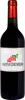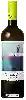
Winery QuitapenasGuadalvin Tinto Cosecha
 Natural sweet wine


This wine generally goes well with
Details and technical informations about Winery Quitapenas's Guadalvin Tinto Cosecha.
Discover the grape variety: Melon blanc et rouge
Very old Burgundian grape variety. According to published genetic analyses, it is the result of a natural cross between Pinot and Gouais, which are the same parents of Gamay. Melon can be found in Germany, Croatia, Bulgaria, ... in France it is nowadays mostly multiplied in the Loire Valley, registered in the Official Catalogue of wine grape varieties, list A1.
Last vintages of this wine

The best vintages of Guadalvin Tinto Cosecha from Winery Quitapenas are 2016, 2012, 0
Informations about the Winery Quitapenas
The Winery Quitapenas is one of of the world's greatest estates. It offers 21 wines for sale in the of Málaga to come and discover on site or to buy online.

The wine region of Málaga
The wine region of Málaga is located in the region of Andalousie of Spain. Wineries and vineyards like the Domaine Ramos-Paul or the Domaine Jorge Ordóñez produce mainly wines red, sweet and white. The most planted grape varieties in the region of Málaga are Cabernet-Sauvignon, Merlot and Tempranillo, they are then used in wines in blends or as a single variety. On the nose of Málaga often reveals types of flavors of pineapple, stone or black fruit and sometimes also flavors of floral, dried fruit or marmalade.
The wine region of Andalousie
Andalusia, located in the southwest of Spain, is the southernmost administrative region of the Spanish mainland. It is home to the world-famous fortified wine, sherry. This dynamic region is the most populous in Spain and has a colourful history. Its strategic position at the gateway to the Mediterranean and its proximity to Africa have made it the target of many settlements and invasions throughout history.
The word of the wine: Aging on lees
Maturing on the lees enhances the stability, aromatic complexity and texture of white wines, which gain in body and volume. This phenomenon is induced by autolysis, the process of self-degradation of the lees.