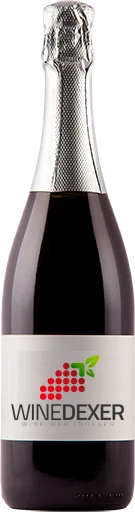
Winery Quinta da FalorcaEspumante Bruto - Rosé
 Sparkling wine


This wine generally goes well with
Details and technical informations about Winery Quinta da Falorca's Espumante Bruto - Rosé.
Discover the grape variety: Pavana
A very old grape variety grown mainly in Italy. Nowadays, it can be found much more in the Trentino region and in the province of Bellino, ... in France it is almost unknown. Note that it is related to Schiava Lombardo and Turca.
Last vintages of this wine

The best vintages of Espumante Bruto - Rosé from Winery Quinta da Falorca are 0, 2015
Informations about the Winery Quinta da Falorca
The Winery Quinta da Falorca is one of of the world's greatest estates. It offers 17 wines for sale in the of Dão to come and discover on site or to buy online.

The wine region of Dão
The wine region of Dão is located in the region of Beiras of Portugal. We currently count 316 estates and châteaux in the of Dão, producing 1397 different wines in conventional, organic and biodynamic agriculture. The wines of Dão go well with generally quite well with dishes .
The wine region of Beiras
Beiras (Beira) is a traditional administrative region in the northern half of Portugal. It is also the name of the IGP, or Indicacoes Geograficas Protegidas, wine classification (formerly known as Vinho Regional) which covers the region as a whole. A wide range of wines are made in Beiras – red wines from the region are typically Rich, deeply colored wines made from Baga, Castelão, Rufete (Tinto Pinheira), Merlot, Cabernet Sauvignon, Syrah and Touriga Nacional, and are sometimes fortified to emulate their more famous Oporto cousins. Whites are most often based on Fernão Pires and Bical, the latter being a small-berried variety with the affectionate nickname Borrado das Moscaos ('fly droppings').
The word of the wine: Côte des Blancs
One of the most famous terroirs of the Champagne region, from Épernay to Vertus, mainly devoted to Chardonnay, hence its name. The villages of Chouilly, Cramant, Cuis, Mesnil-sur-Oger, Avize, etc., lying on the chalk, are in a way to Champagne what Meursault, Chablis and Puligny are to Burgundy.