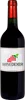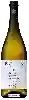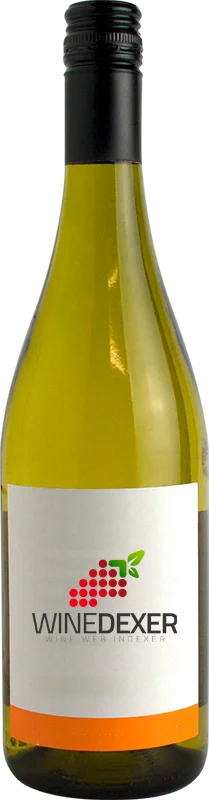
Winery Quinta do GradilVerdelho
 White wine


In the mouth this white wine is a .
This wine generally goes well with pork, lean fish or shellfish.

Taste structure of the Verdelho from the Winery Quinta do Gradil
Light | Bold | |
Dry | Sweet | |
Soft | Acidic |
In the mouth the Verdelho of Winery Quinta do Gradil in the region of Lisboa is a .
Wine flavors and olphactive analysis

Food and wine pairings with Verdelho
Pairings that work perfectly with Verdelho



Original food and wine pairings with Verdelho

The Verdelho of Winery Quinta do Gradil matches generally quite well with dishes of pasta, pork or shellfish such as recipes of tagliatelle with seafood and saffron cream, roast pork in the oven or wok of shrimps with vegetables.
Details and technical informations about Winery Quinta do Gradil's Verdelho.
Discover the grape variety: Verdelho
Structured, taut whites with precise acidity and a slender mouth, featuring aromas of citrus (lemon, orange peel), dried fruits, toasted almond, Mediterranean herbs and pronounced saline notes. A historic pillar of medium-dry Madeira (one of the island's four classic noble grapes) where it develops complex oxidative notes. Also as structured dry whites in Douro DOC and Australia (Hunter Valley). Native Portuguese grape, unrelated to Spanish Verdejo.
Last vintages of this wine
The best vintages of Verdelho from Winery Quinta do Gradil are 2017, 2016, 0, 2018
Informations about the Winery Quinta do Gradil
The Winery Quinta do Gradil is one of of the world's great estates. It offers 38 wines for sale in the of Lisboa to come and discover on site or to buy online.

The wine region of Lisboa
Vast coastal IGP north of Lisbon, Portugal's largest producer by volume. Accessible, sun-filled reds: fruity, spicy Castelão, dense Touriga Nacional (black fruit, violet), fleshy Trincadeira, deep Alicante Bouschet. Fresh, mineral whites: straight, lemony Arinto (star of Bucelas), aromatic Fernão Pires, round Vital and Malvasia. Structured reds from Alenquer, sparkling at Óbidos.
The word of the wine: Oenologist
Specialist in wine-making techniques. It is a profession and not a passion: one can be an oenophile without being an oenologist (and the opposite too!). Formerly attached to the Faculty of Pharmacy, oenology studies have become independent and have their own university course. Learning to make wine requires a good chemical background but also, increasingly, a good knowledge of the plant. Some oenologists work in laboratories (analysis). Others, the consulting oenologists, work directly in the properties.