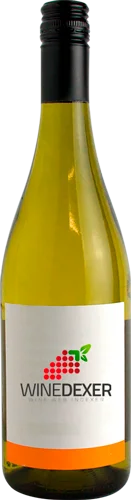
The Winery Quinta de Maderne of Minho

The Winery Quinta de Maderne is one of the best wineries to follow in Minho.. It offers 9 wines for sale in of Minho to come and discover on site or to buy online.
Looking for the best Winery Quinta de Maderne wines in Minho among all the wines in the region? Check out our tops of the best red, white or effervescent Winery Quinta de Maderne wines. Also find some food and wine pairings that may be suitable with the wines from this area. Learn more about the region and the Winery Quinta de Maderne wines with technical and enological descriptions.
How Winery Quinta de Maderne wines pair with each other generally quite well with dishes of shellfish, appetizers and snacks or lean fish such as recipes of scallops with cream, caricoles as in brussels (translation: sea snails or whelks) or sublime fish and shrimp colombo.
On the nose the white wine of Winery Quinta de Maderne. often reveals types of flavors of tree fruit, citrus fruit. In the mouth the white wine of Winery Quinta de Maderne. is a with a nice freshness.
Minho is Portugal's Northernmost wine region. It is known for one wine style above all others: crisp, light, white Vinho Verde, whose DOC zone covers the same territory. The Minho name is used for the area's Vinho Regional designation (similar to the French IGP).
The latter's looser production laws allow more diversity in the average winery's portfolio, including red and rosé wines.
Minho VR was formerly known Rios do Minho before the Vinho Regional category was updated in 2008 to fall in line with the EU-wide PGI/IGP/IGT category.
The region is located on the Portugal's Atlantic coast to the north and east of Porto, Portugal's second-largest city and the home of Port. It occupies a roughly rectangular area about 100 kilometers (60 miles) from north to South, which reaches about 50km (30 miles) inland.
There are around 60,000 hectares of vines planted in Minho.
Many of these are dedicated to Vinho Verde, the country's largest DOC.
Minho Grape Varieties
A number of varieties are also found in Spains Rias Baixas region, which Lies immediately to the north. The key grape varieties to be found in white Minho wines include the natives Alvarinho, Avesso, Loureiro, Pederna (Arinto) and Trajadura. Chardonnay and Riesling are the most common international white varieties.
How Winery Quinta de Maderne wines pair with each other generally quite well with dishes of pork, rich fish (salmon, tuna etc) or vegetarian such as recipes of quiche lorraine, marinated raw salmon ('gravad lax' in swedish) or leek, goat cheese and bacon quiche.
The white Alvarinho is a grape variety originating from Spain. It produces a variety of grape specially used for the elaboration of wine. It is rare to find this grape to eat on our tables. This variety of grape is characterized by small bunches and small grapes. The white Alvarinho can be found cultivated in these vineyards: South-West, Cognac, Bordeaux, Languedoc & Roussillon, Rhone Valley.
How Winery Quinta de Maderne wines pair with each other generally quite well with dishes of beef or mature and hard cheese such as recipes of chicken, beef and lamb couscous (morocco) or savoyard fondue (but succulent).
See servadou iron.
How Winery Quinta de Maderne wines pair with each other generally quite well with dishes of beef, pasta or lamb such as recipes of beef pot au feu (grandma's style), pasta with veal stock sauce or lamb kebab.
In the mouth the red wine of Winery Quinta de Maderne. is a powerful with a lot of tannins present in the mouth.
Most certainly Portuguese. Loureiro is part of the grape varieties of many Spanish and Portuguese appellations, including the famous Vinho Verde. It would be a close relative of the albarino and the sousão.
Planning a wine route in the of Minho? Here are the wineries to visit and the winemakers to meet during your trip in search of wines similar to Winery Quinta de Maderne.
Most certainly Portuguese, not to be confused with the Touriga Franca also of the same origin. In Portugal, where it is widely cultivated, it is used to produce, among other things, the famous red Porto. It is also found in Uzbekistan, Australia, South Africa, Cyprus, Spain, etc... very little known in France, although it is listed in the Official Catalogue of A1 vines.