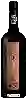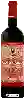
Winery Quinta das HerediasPorto Branco Meio-Seco
 wine
wine
This wine generally goes well with
The Porto Branco Meio-Seco of the Winery Quinta das Heredias is in the top 0 of wines of Porto.
Details and technical informations about Winery Quinta das Heredias's Porto Branco Meio-Seco.
Discover the grape variety: Graisse
Graisse blanc is a grape variety that originated in France (South West). It produces a variety of grape specially used for wine making. It is rare to find this grape to eat on our tables. It should be noted that this grape variety can also be used for the elaboration of eaux de vie. The Graisse blanc can be found cultivated in these vineyards: South-West, Cognac, Bordeaux, Provence & Corsica, Rhone Valley.
Informations about the Winery Quinta das Heredias
The Winery Quinta das Heredias is one of of the world's great estates. It offers 9 wines for sale in the of Porto to come and discover on site or to buy online.

The wine region of Porto
The wine region of Porto is located in the region of Duriense of Portugal. We currently count 312 estates and châteaux in the of Porto, producing 2132 different wines in conventional, organic and biodynamic agriculture. The wines of Porto go well with generally quite well with dishes .
The wine region of Duriense
Duriense is a Portuguese wine region covering the same area as the Douro DOC and the Port wine region. In difference from Douro DOC, Duriense VR is a designation at the lower Vinho Regional (VR) level, which corresponds to table wines with a geographical indication under European Union wine regulations, similar to a French vin de pays region. Thus, it is the simpler or less typical wines of the Douro region that are sold using a Duriense VR label. Before the creation of a separate Duriense VR, the Douro vineyards were Part of the former Transmontano/tras-os-montes">Trás-os-Montes VR, which is now called Transmontano VR and no longer includes the Douro vineyards.
The word of the wine: Malolactic fermentation
Called second fermentation or malo for short. It is the degradation (under the effect of bacteria) of the malic acid naturally present in the wine into milder, less aggressive lactic acid. Some producers or wineries refuse this operation by "blocking the malo" (by cold and adding SO2) to keep a maximum of acidity which carries the aromas and accentuates the sensation of freshness.