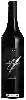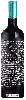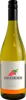
Winery Quinta da CasaboaTinta Boa Branco
 White wine



In the mouth this white wine is a .
This wine generally goes well with pork, lean fish or shellfish.
Taste structure of the Tinta Boa Branco from the Winery Quinta da Casaboa
Light | Bold | |
Dry | Sweet | |
Soft | Acidic |
In the mouth the Tinta Boa Branco of Winery Quinta da Casaboa in the region of Lisboa is a .
Food and wine pairings with Tinta Boa Branco
Pairings that work perfectly with Tinta Boa Branco



Original food and wine pairings with Tinta Boa Branco

The Tinta Boa Branco of Winery Quinta da Casaboa matches generally quite well with dishes of pasta, pork or shellfish such as recipes of smoked salmon pasta gratin, penne à la toscane or festive sea pot.
Details and technical informations about Winery Quinta da Casaboa's Tinta Boa Branco.
Discover the grape variety: Alvarinho
The white Alvarinho is a grape variety originating from Spain. It produces a variety of grape specially used for the elaboration of wine. It is rare to find this grape to eat on our tables. This variety of grape is characterized by small bunches and small grapes. The white Alvarinho can be found cultivated in these vineyards: South-West, Cognac, Bordeaux, Languedoc & Roussillon, Rhone Valley.
Last vintages of this wine
The best vintages of Tinta Boa Branco from Winery Quinta da Casaboa are 0
Informations about the Winery Quinta da Casaboa
The Winery Quinta da Casaboa is one of of the world's greatest estates. It offers 8 wines for sale in the of Lisboa to come and discover on site or to buy online.

The wine region of Lisboa
Lisboa (formerly Estremadura) is a prolific wine region located at the Center of Portugal's Atlantic coast. Despite being one of the country's most productive winemaking areas, its name remains relatively obscure in wine terms, as its wines have traditionally been labeled with the names of the local sub-regions, which include Alenquer, Bucelas and Colares. The region is also home to Portugal's capital, Lisbon. The region fell under the VR (Vinho Regional) classification until 2008, when the category was renamed IGP (Indicaciones Geográficas Protegidas) to bring it into line with the rest of Europe.
The word of the wine: Blanc de blancs (champagne)
Champagne made only from the Chardonnay grape. The expression has been somewhat overused by the intensive use made of it by certain large distributors of white table wines (or sparkling wines) who were thus seeking to promote their product.