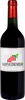
Winery Quinta BarrocaGuma Mourvedre - Marselan
 Red wine



This wine is a blend of 2 varietals which are the Marselan and the Mourvèdre.
This wine generally goes well with beef

Food and wine pairings with Guma Mourvedre - Marselan
Pairings that work perfectly with Guma Mourvedre - Marselan

Original food and wine pairings with Guma Mourvedre - Marselan
The Guma Mourvedre - Marselan of Winery Quinta Barroca matches generally quite well with dishes of beef such as recipes of beef in white wine.
Details and technical informations about Winery Quinta Barroca's Guma Mourvedre - Marselan.
Discover the grape variety: Marselan
Supple, fruity reds with a deep robe and melted tannins, featuring aromas of blackcurrant, blackberry, plum, violet, soft spices and garrigue notes. Good consistency and short-to-medium ageing capacity. Made in blends and as a single variety in Languedoc-Roussillon (IGP Pays d'Oc) and exported massively to China where it has become an emblematic quality signature. Also in Brazil and Argentina. A Cabernet Sauvignon × Grenache cross created in 1961 by Paul Truel in Montpellier.
Last vintages of this wine
The best vintages of Guma Mourvedre - Marselan from Winery Quinta Barroca are 0, 2019
Informations about the Winery Quinta Barroca
The Winery Quinta Barroca is one of of the world's greatest estates. It offers 1 wines for sale in the of Rio Grande do Sul to come and discover on site or to buy online.

The wine region of Rio Grande do Sul
Brazil's winemaking heart (~80% of production), Italian tradition. Recognised specialty: traditional-method sparkling wines (espumantes), fresh and fruity, based on Chardonnay and Pinot Noir, among South America's finest. Accessible reds: supple, fruity Merlot (plum, cherry), fleshy Cabernet Sauvignon, dense, tannic Tannat. Round Chardonnay, light Riesling Italico, sweet, floral Moscato whites.
The word of the wine: Thick
Said of a heavy, pasty wine lacking in finesse.