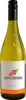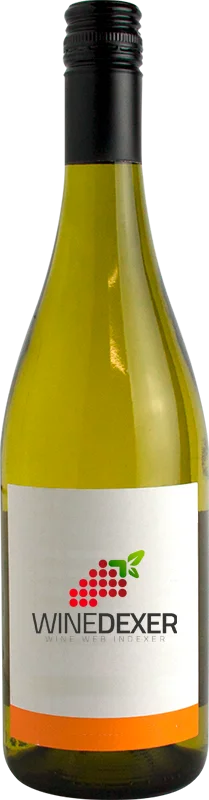
Winery Puzelat BonhommeRomorantin
 White wine



This wine generally goes well with

Wine flavors and olphactive analysis

On the nose the Romorantin of Winery Puzelat Bonhomme in the region of Vin de France often reveals types of flavors of earth.
Details and technical informations about Winery Puzelat Bonhomme's Romorantin.
Discover the grape variety: Romorantin
Dry, vivid and structured whites with a golden robe, taut mouthfeel and sharp acidity, with aromas of citrus (lemon, grapefruit), apple, pear, white flowers, honey and pronounced chalky mineral notes. Good ageing potential, gaining wax and dried fruit notes with age. Near-exclusive star of Cour-Cheverny AOC in the Sologne. Very rare autochthonous Loire variety, introduced to the Loire valley by François I in 1519 according to tradition.
Last vintages of this wine
The best vintages of Romorantin from Winery Puzelat Bonhomme are 2013, 2009
Informations about the Winery Puzelat Bonhomme
The Winery Puzelat Bonhomme is one of of the world's great estates. It offers 54 wines for sale in the of Vin de France to come and discover on site or to buy online.

The wine region of Vin de France
The freest category of French wine, the playground of winemakers working outside the AOC. All styles combined: fruity reds, lively or ambitious whites, everyday rosés, unusual blends, natural wines, atypical grapes (Petit Manseng in Languedoc, Riesling in Provence), experimental winemaking (skin-contact whites, no sulphur). Grape and vintage labelling allowed, no geographic constraint. From the pop, convivial cuvée to the artisan gem: freedom in a bottle.
The word of the wine: Wirehood
Flexible metal fastener used to hold the cork of champagne bottles.