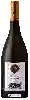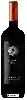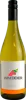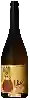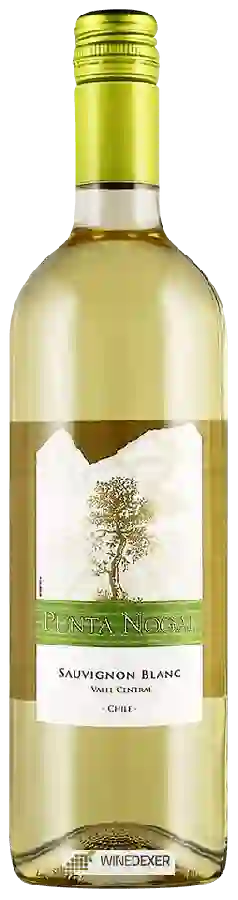
Winery Punta NogalSauvignon Blanc
 White wine


In the mouth this white wine is a powerful with a nice freshness.
This wine generally goes well with vegetarian, shellfish or goat cheese.
Taste structure of the Sauvignon Blanc from the Winery Punta Nogal
Light | Bold | |
Dry | Sweet | |
Soft | Acidic |
In the mouth the Sauvignon Blanc of Winery Punta Nogal in the region of Central Valley is a powerful with a nice freshness.
Food and wine pairings with Sauvignon Blanc
Pairings that work perfectly with Sauvignon Blanc


Original food and wine pairings with Sauvignon Blanc
The Sauvignon Blanc of Winery Punta Nogal matches generally quite well with dishes of shellfish, vegetarian or goat cheese such as recipes of quick crayfish chicken, goat cheese and bacon quiche or tomato, goat cheese and cured ham bruschetta.
Details and technical informations about Winery Punta Nogal's Sauvignon Blanc.
Discover the grape variety: Blancard
Originally from the southwestern Atlantic region of France, Blancard has long been cultivated in the Gers, Landes, Eastern Pyrenees and the High Pyrenees. Blancard is practically no longer present in the vineyards and is therefore in danger of disappearing.
Last vintages of this wine

The best vintages of Sauvignon Blanc from Winery Punta Nogal are 2015, 2013, 0, 2012
Informations about the Winery Punta Nogal
The Winery Punta Nogal is one of of the world's greatest estates. It offers 6 wines for sale in the of Central Valley to come and discover on site or to buy online.

The wine region of Central Valley
The Central Valley (El Valle Central) of Chile is one of the most important wine-producing areas in South America in terms of Volume. It is also one of the largest wine regions, stretching from the Maipo Valley (just south of Santiago) to the southern end of the Maule Valley. This is a distance of almost 250 miles (400km) and covers a number of Climate types. The Central Valley wine region is easily (and often) confused with the geological Central Valley, which runs north–south for more than 620 miles (1000km) between the Pacific Coastal Ranges and the lower Andes.
The word of the wine: Fendant
See chasselas.